

Layered Textures: How to Add Depth to Your Windows (Without Overwhelming the Space)
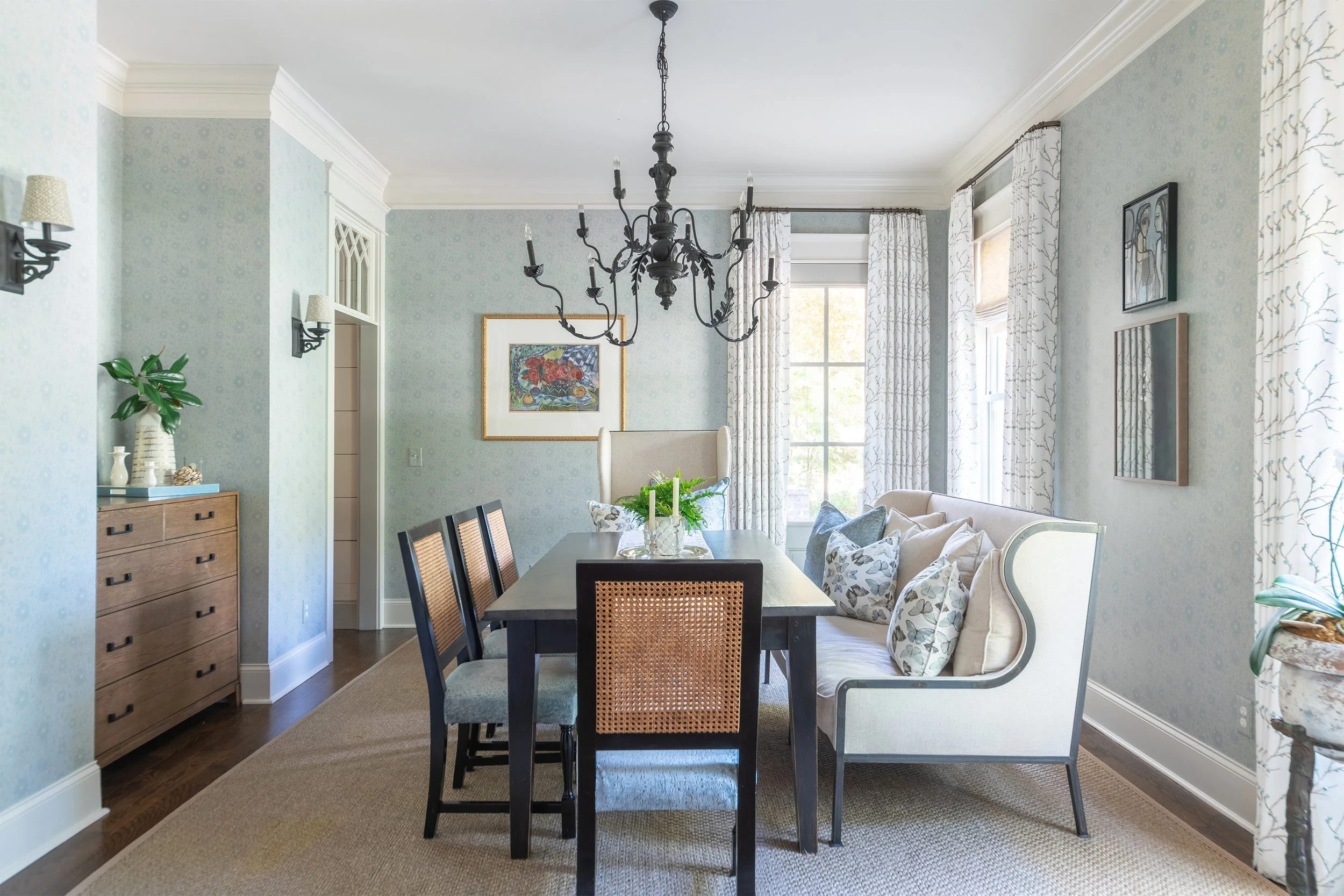
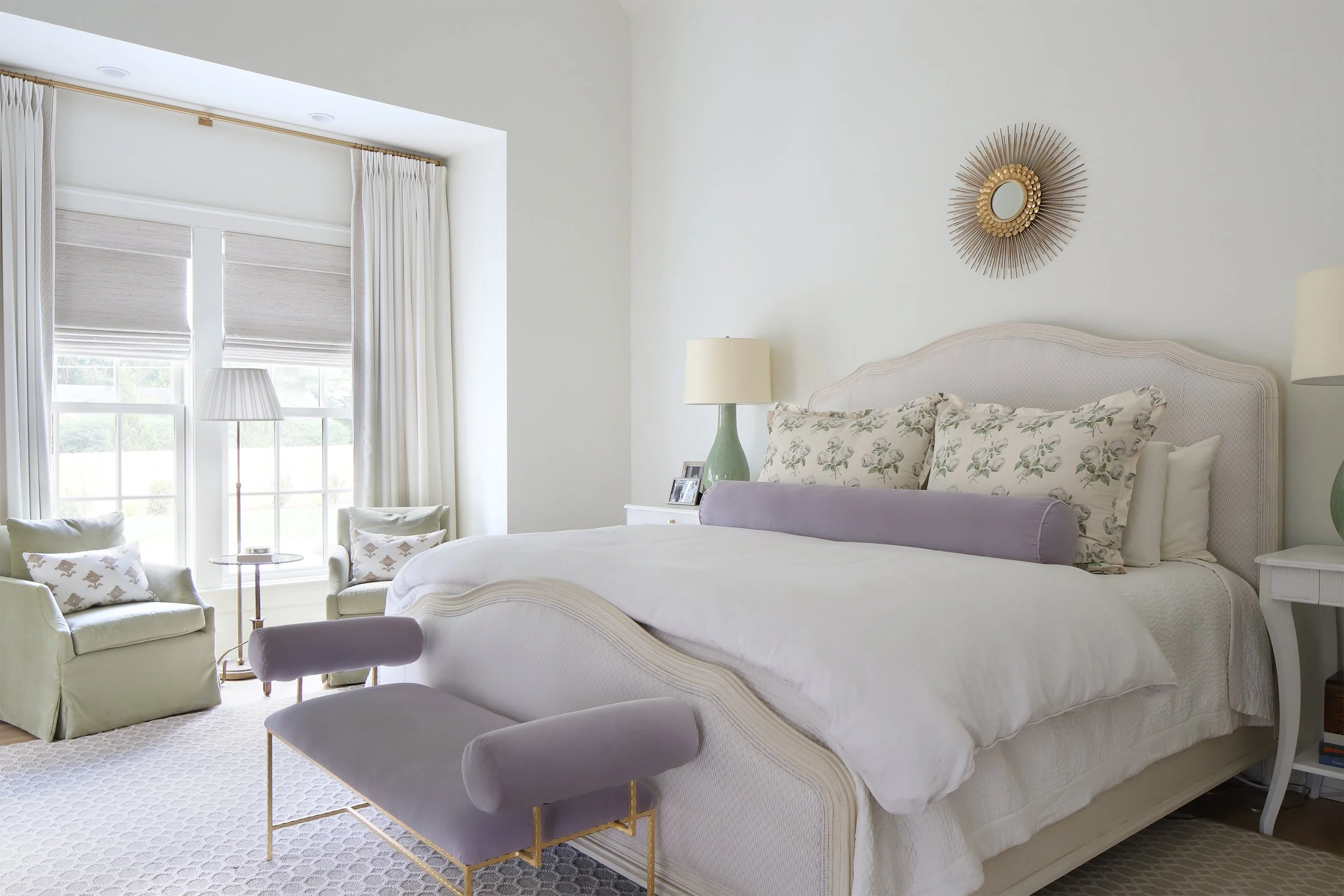
Photographer: Suzy Thompson, Designer: LAH interiors
There's a subtle art to layering textures at your windows. Done right, it creates depth and richness that makes rooms feel sophisticated and complete. Done wrong, it can quickly become visually overwhelming or feel like you're trying too hard. The secret lies in understanding how different materials work together and knowing when to stop.
At Brave Maggie Designs, we see clients gravitating toward texture mixing more than ever. After years of all-neutral, minimal approaches, people want spaces that feel layered and collected. But adding texture successfully requires strategy. It's about creating visual interest through materials that complement each other rather than compete for attention.
Whether you're an interior designer balancing client requests for "more interest" with sophisticated restraint, or a homeowner wanting windows that feel substantial but not busy, understanding texture relationships changes everything. The goal isn't to use every beautiful material you love - it's to choose the right combination that serves your space.
Understanding Texture in Window Treatments
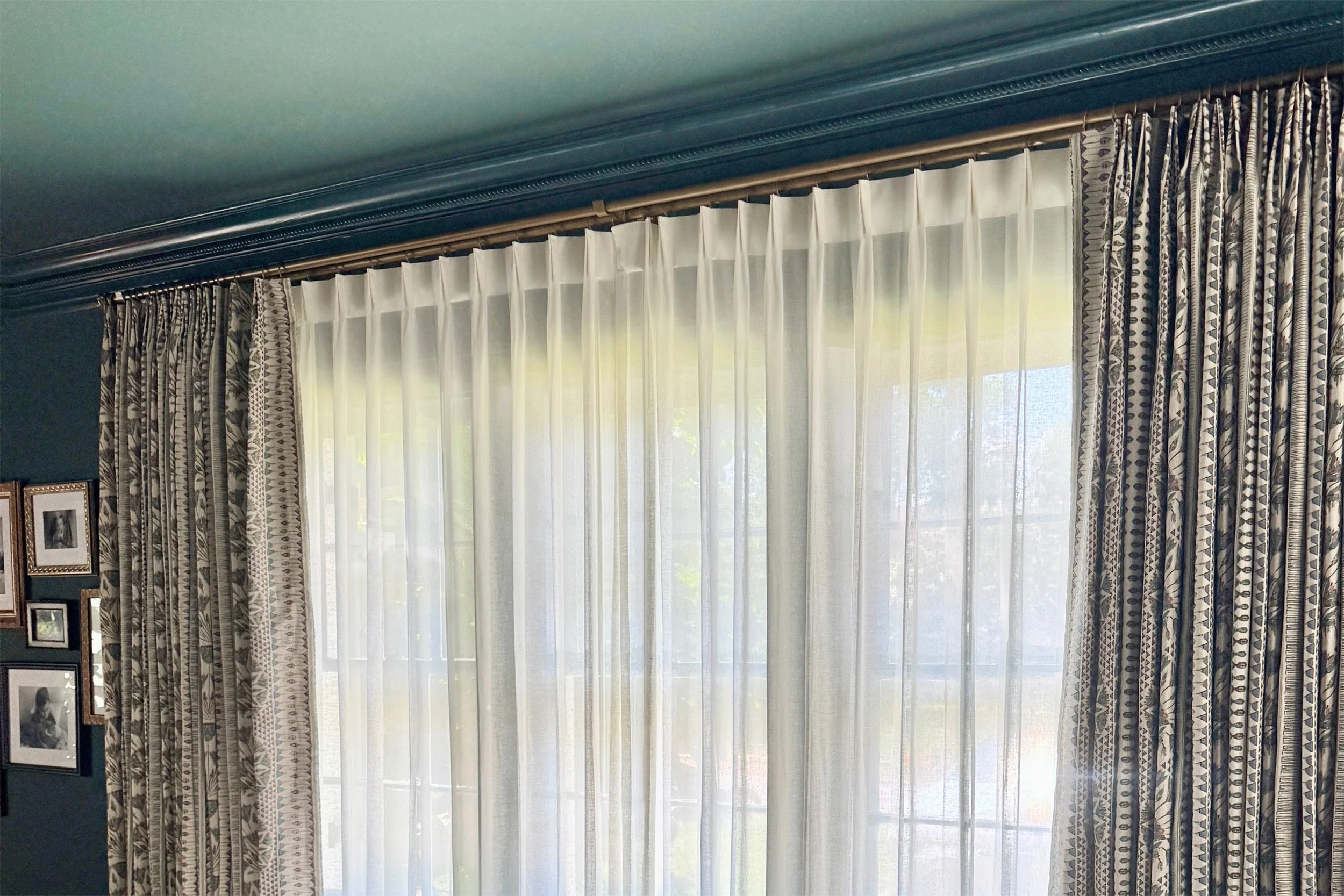
Texture in custom window treatments goes beyond just how something feels. It's about how light interacts with surfaces, how materials move and drape, and how different weaves create visual weight. Smooth silk catches light differently than nubby linen. Heavy velvet absorbs light while sheer voile allows it through. These interactions create the depth that makes layered window treatments interesting.
The key is recognizing that every material brings its own personality to the mix. Natural wovens like jute and hemp add organic casualness. Silk brings luminous elegance. Velvet provides rich absorption of both light and sound. When you understand what each texture contributes, you can layer them intentionally rather than accidentally.
Scale matters in texture mixing just as much as it does in color coordination. Large-scale textures - think chunky weaves or bold damask - need to be balanced with smoother, more refined surfaces. This prevents any single element from dominating while creating rhythm that feels natural.
The construction quality of luxury materials also affects how textures layer together. Well-made fabrics hang properly, maintain their shape over time, and age gracefully. This means your layered look stays sophisticated rather than becoming disheveled.
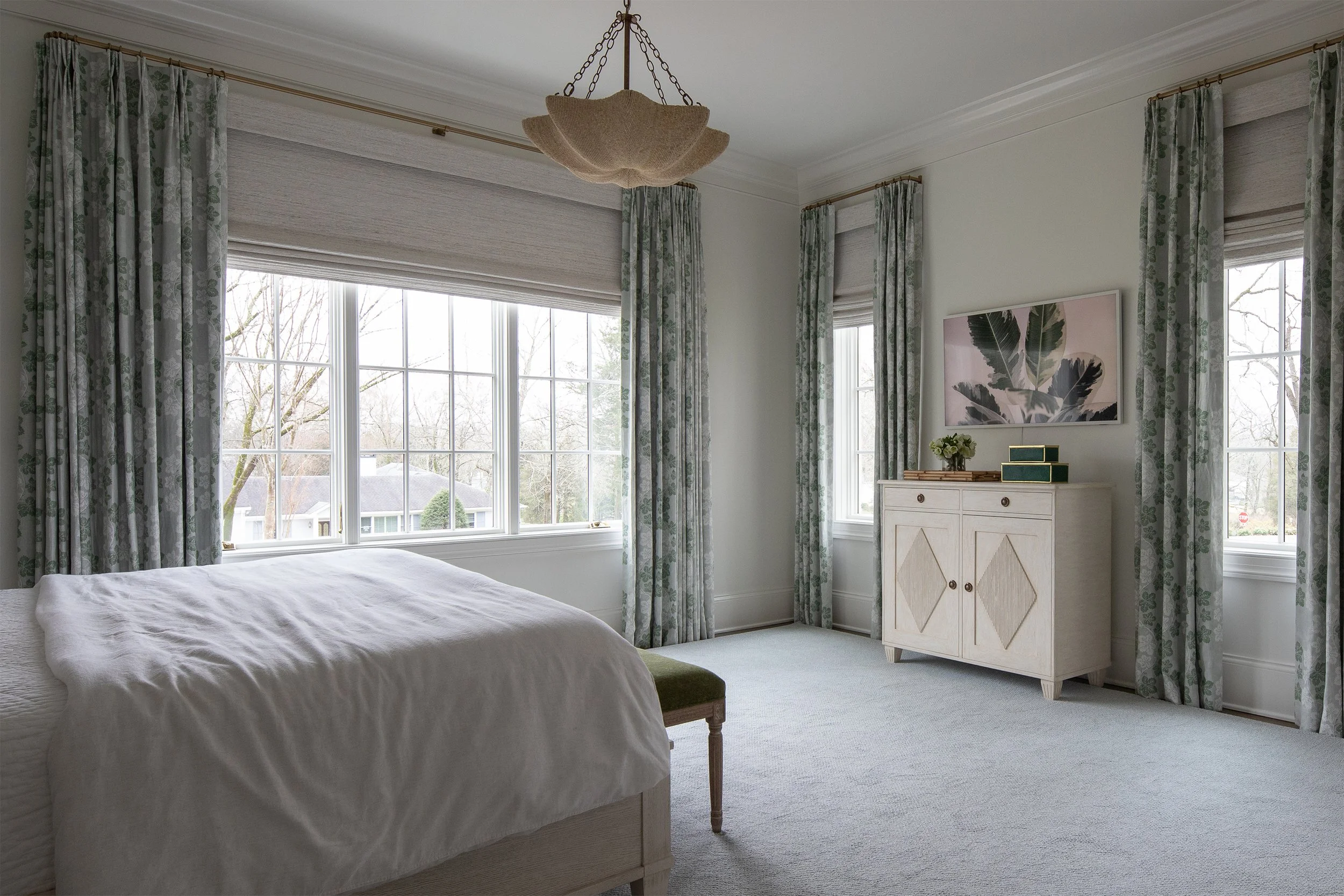
Photographer: Kristen Mayfield Designer: EH interiors
Strategic Texture Combinations
Some texture pairings just work. Smooth silk with rough linen creates a beautiful contrast without feeling jarring. Lustrous surfaces against matte ones add sophistication. Understanding these classic combinations gives you a foundation for successful layering.
Natural fiber mixing brings organic richness to window treatments. Linen sheers behind heavier cotton drapery create depth while maintaining a relaxed feel. This approach works beautifully in casual living spaces or bedrooms where you want texture without formality.
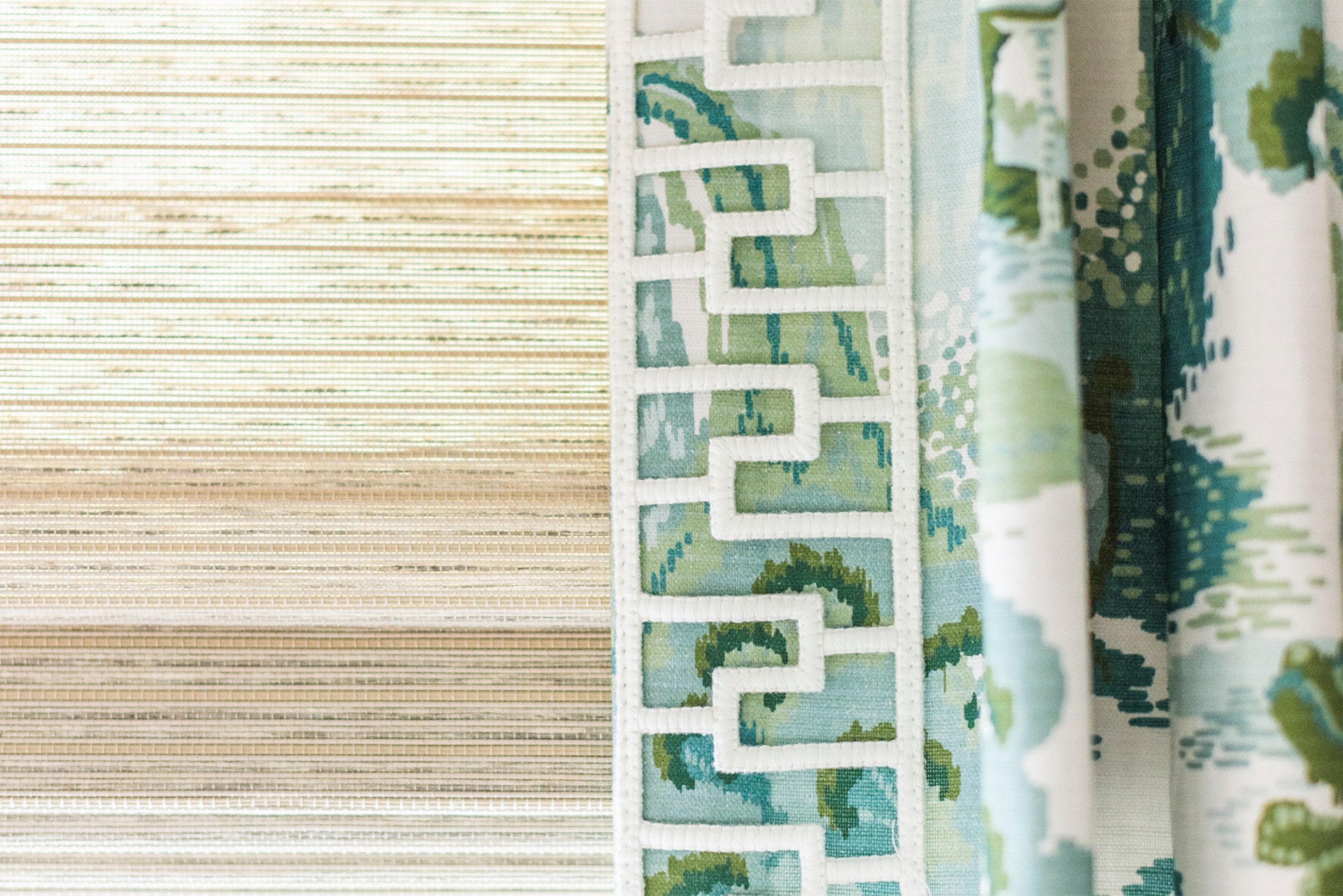
Formal combinations might pair silk drapery with velvet trim or smooth chintz with textured grasscloth roman shades. These pairings create elegance through contrast while maintaining the polish that formal spaces require.
The key is limiting yourself to two or three texture types in any single window treatment application. More than that and you risk visual chaos. Better to choose fewer textures and let them interact beautifully than to pile on elements that compete.
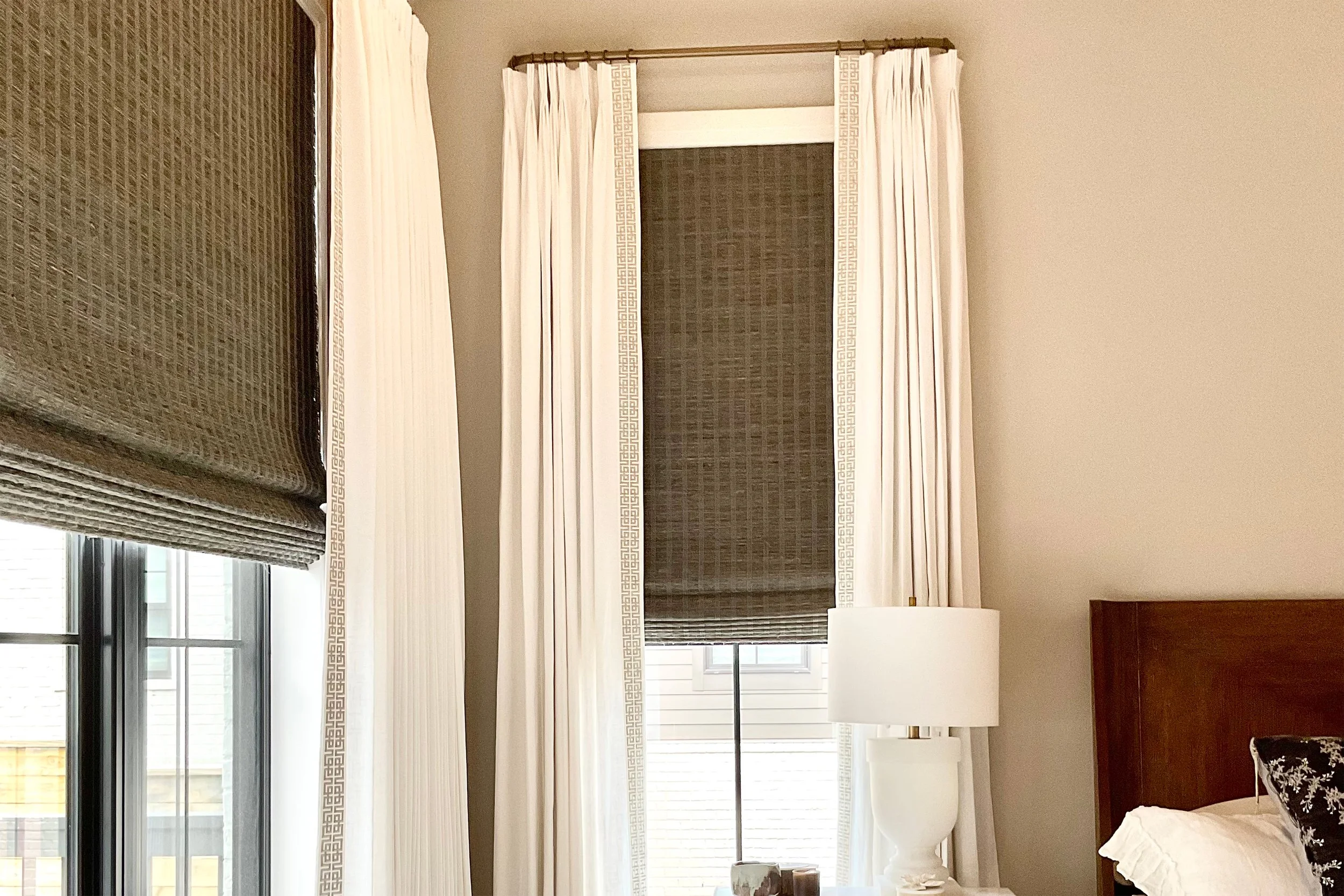
Designer: Jennie Rebecca Designs
Layering Approaches That Work
The Foundation Plus Accent Method
Start with one substantial texture as your foundation - perhaps linen drapery or silk panels - then add accent textures through trim, hardware, or layered pieces. This approach gives you impact without overwhelming the space. The foundation material provides most of the visual weight while accents add interest.
Roman shades in textured grasscloth behind smooth silk drapery exemplify this approach perfectly. The grasscloth provides organic interest while the silk brings elegance. Neither competes because they're serving different functions in the overall design.
This method works particularly well when you're uncertain about texture mixing. The foundation material ensures the window treatment succeeds even if accent choices don't work perfectly. You're building success incrementally rather than risking everything on complex combinations.
The Tonal Texture Approach
Working within similar color families while varying textures creates sophisticated depth without visual complexity. Cream silk drapery with natural linen sheers and ivory velvet trim all share tonal relationships while bringing different textural interest.
This approach feels particularly current because it creates richness through materials rather than color contrast. Rooms feel layered and complete without being busy or overwhelming. It's sophisticated restraint that still delivers visual interest.
The beauty of tonal texture layering is its versatility. It works in both casual and formal settings, adapts to different lighting conditions, and ages gracefully. You're creating depth through quality materials rather than trendy combinations.
The Structured Contrast Method
Pairing very different textures creates dramatic impact when done thoughtfully. Heavy upholstery-weight cotton roman shades with flowing silk drapery; Sheer linen roman shades behind rich velvet panels. These combinations work because the contrast is intentional and controlled - each element serves a distinct function while creating visual interest.
The key difference from foundation layering is that both textures carry equal visual weight rather than one serving as accent. You're creating dialogue between two substantial elements rather than building on a single base. This requires more careful balancing but can achieve striking results.
This approach works beautifully in modern or transitional spaces where you want sophistication with edge. The contrast creates visual tension that keeps spaces interesting while quality materials ensure the result feels intentional rather than accidental.
Photographer: Kristen Mayfield Designer: EH interiors
Room-Specific Applications
Living rooms offer the most flexibility for texture layering because they're usually larger spaces with multiple seating areas and varied lighting. You can handle more complex combinations here. Consider textured roman shades behind smooth drapery panels, or mixing different hardware finishes to add metallic texture variation.
Bedrooms benefit from softer textures that create a sense of coziness without stimulation. Layered sheers with flowing drapery, or subtle texture variation within similar tonal families. The goal is depth that feels restful rather than energizing.
Dining rooms can handle more dramatic texture combinations because you're not spending extended periods there. Bold grasscloth roman shades with silk drapery, or mixing smooth and textured materials for formal impact. These rooms often benefit from the sophistication that thoughtful texture layering provides.
Home offices work well with texture combinations that create visual interest without distraction, such as subtle weave variations, mixed natural fibers, or smooth materials with textured hardware details. You want richness that supports focus rather than competing with it.
Common Texture Layering Mistakes
Too much of everything creates visual chaos rather than sophisticated depth. When every element has significant texture, nothing gets to be the star. It's better to choose one or two textures and let them stand out against smoother backgrounds.
Ignoring proportions leads to unbalanced combinations. Large-scale textures need space to breathe. Small-scale textures can feel lost when paired with dramatically different materials without careful consideration of proportion.
Forgetting about maintenance can turn beautiful texture combinations into high-maintenance problems. Some materials require professional cleaning, others can be spot-treated. Understanding care requirements helps you make realistic choices for your lifestyle.
Misunderstanding lighting affects how textures appear throughout the day. Rough textures can look harsh in bright light but cozy in soft light. Smooth materials may feel cold on northern exposures but elegant on southern ones. Testing combinations in your actual space prevents surprises.
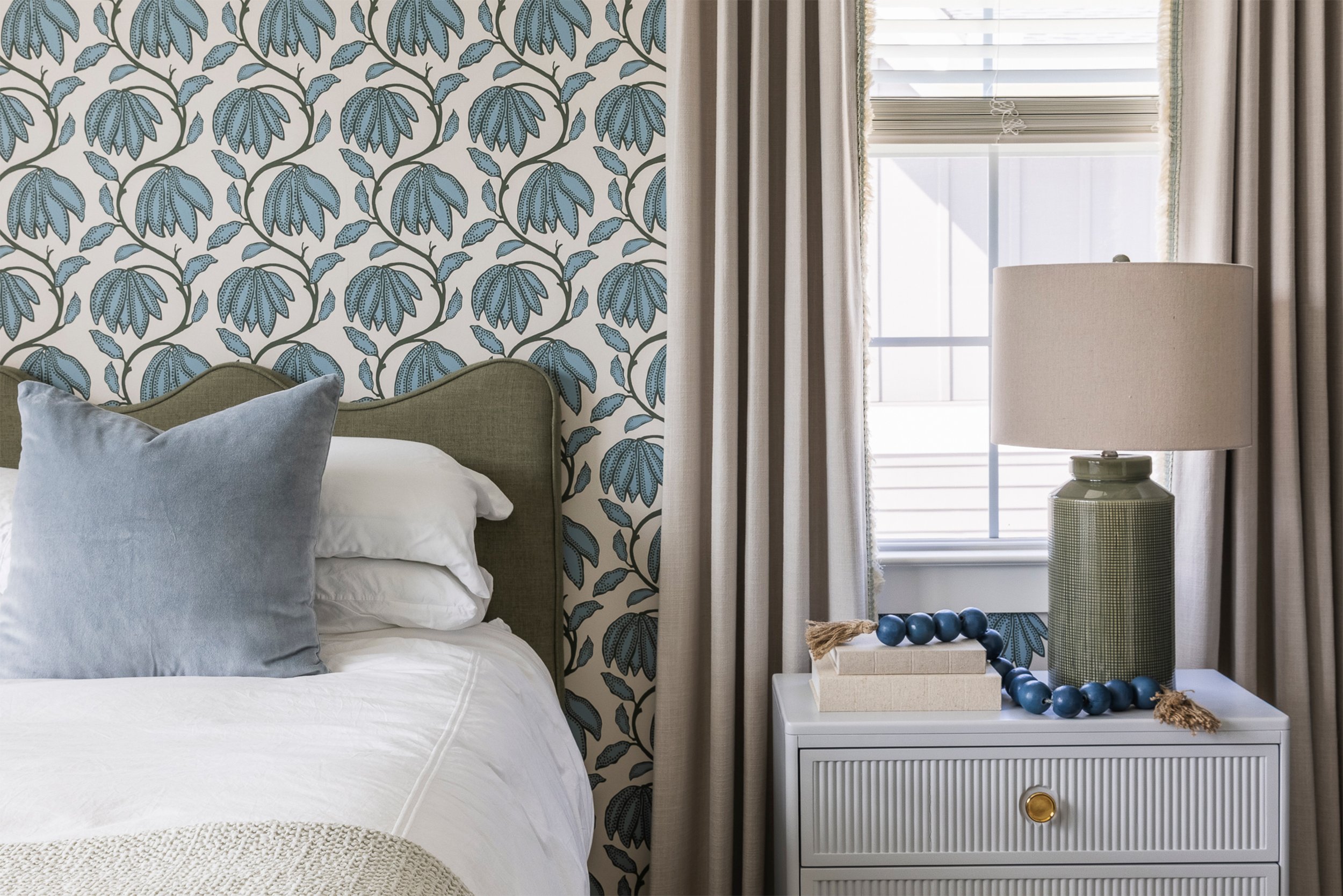
Photographer: Girls at Flourish
Hardware and Trim Considerations
Hardware introduces another texture layer that's often overlooked: brushed metals, polished finishes, natural wood, or wrought iron all add textural elements that affect the overall composition. Consider hardware as part of your texture strategy, not an afterthought.
Trim and passementerie offer opportunities to add subtle texture without significant material investment. Braided trim on smooth drapery, textured tiebacks, or mixed hardware finishes can add the perfect amount of tactile interest.
The scale of the hardware and trim should align with your primary textures. Delicate materials call for refined details. Substantial textures can handle bolder hardware choices. Proportion matters as much in accessories as it does in primary materials.
Quality matters enormously in hardware and trim because these details are often at eye level and are handled frequently. Investing in well-made hardware enhances your texture story, while low-quality accessories can undermine the beauty of your materials.
Photographer: Girls at Flourish Designer: Paige Williams
Seasonal Texture Considerations
Nashville's climate affects how textural elements perform and feel throughout the year. Heavy velvets that feel luxurious in winter might seem overwhelming during humid summers. Understanding seasonal relationships helps you make choices that work year-round.
Layered approaches offer flexibility for seasonal adjustments. You might remove thermal layers in summer while keeping foundational textures in place. Or add textural throws and pillows during cooler months while maintaining consistent window treatments.
Natural materials often perform better in variable climates because they breathe and adjust to humidity changes. Synthetic materials might maintain appearance more consistently but can feel less comfortable during seasonal transitions.
Consider how texture combinations will look and feel during different seasons when making permanent installation decisions. Choices that work beautifully in showroom lighting might feel different in your home's changing natural light throughout the year.
Working with Texture Professionals
Texture layering often benefits from professional input because the variables are complex and the results are permanent. We help clients understand how different materials will perform together and age over time. Sometimes combinations that seem perfect in small samples don't work at full scale.
Professional installation becomes even more important with layered textures because each material has specific requirements for proper hanging and function. Mixing different weights, drapes, and construction methods requires experience to achieve polished results.
Budget considerations change with texture layering. Sometimes fewer yards of exceptional materials create more impact than larger quantities of ordinary options. Professional guidance helps you allocate resources for maximum effect while staying within realistic budgets.
Understanding long-term maintenance requirements helps you make sustainable choices. We connect clients with appropriate cleaning services and provide care instructions that preserve both beauty and investment value over time.
Your Texture Journey
Mastering texture layering in window treatments opens up design possibilities that go far beyond basic drapery panels. The interplay between smooth and rough, matte and lustrous, natural and refined creates depth that makes rooms feel sophisticated and complete without being overwhelming.
The key is approaching texture thoughtfully rather than accidentally. Understanding how materials work together, recognizing when to add elements and when to stop, and choosing combinations that serve your space rather than fighting it. Sometimes the most impactful texture stories are told through restraint rather than abundance.
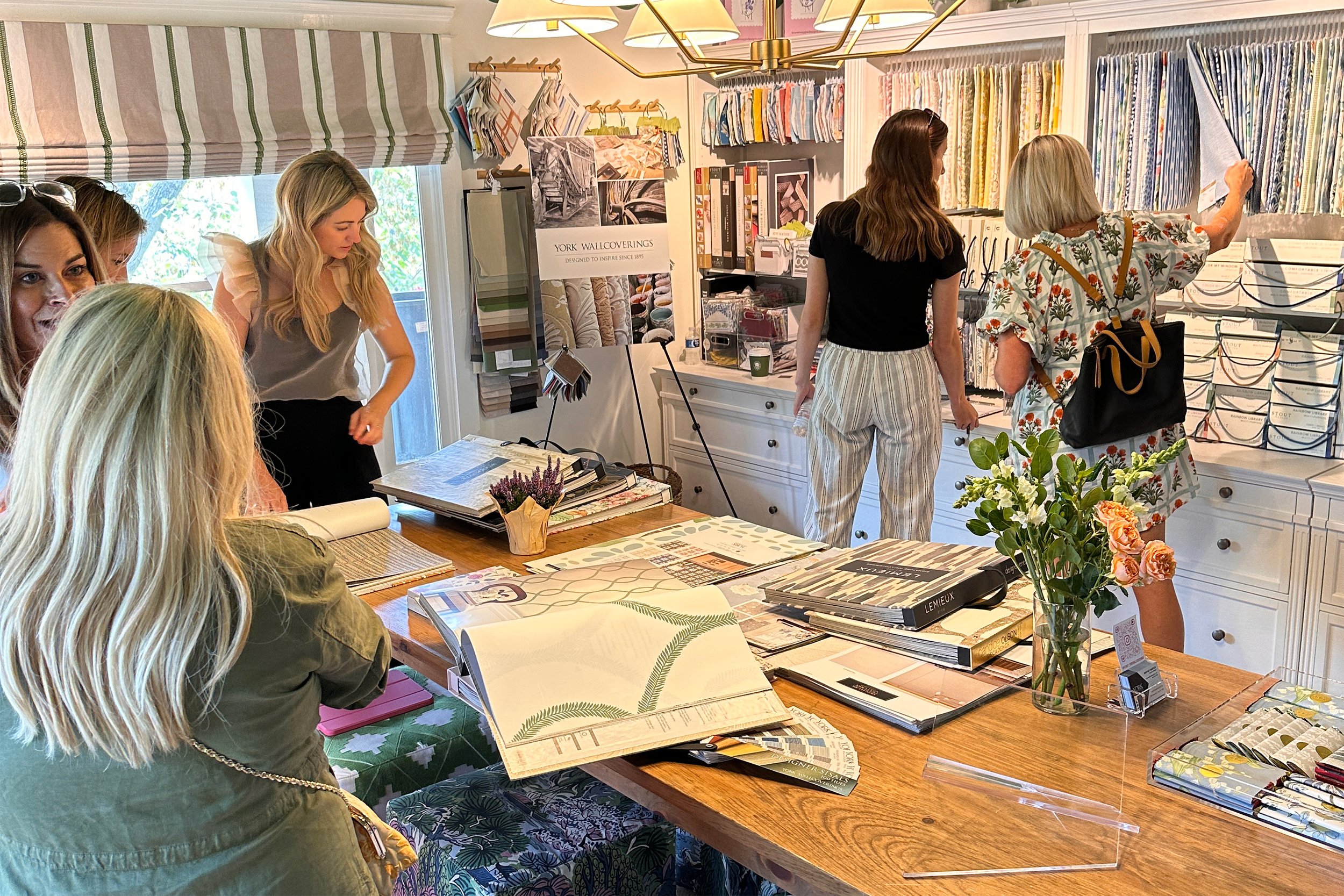
Ready to explore texture layering for your windows? Visit our Franklin showroom to experience different materials together and understand how they'll work in your specific space. We'll help you create window treatments with the depth and richness you're seeking without the overwhelm you want to avoid. Schedule your design consultation at bravemaggie.com to get started!
