

How to Choose the Perfect Drapery Hardware: A Style Guide
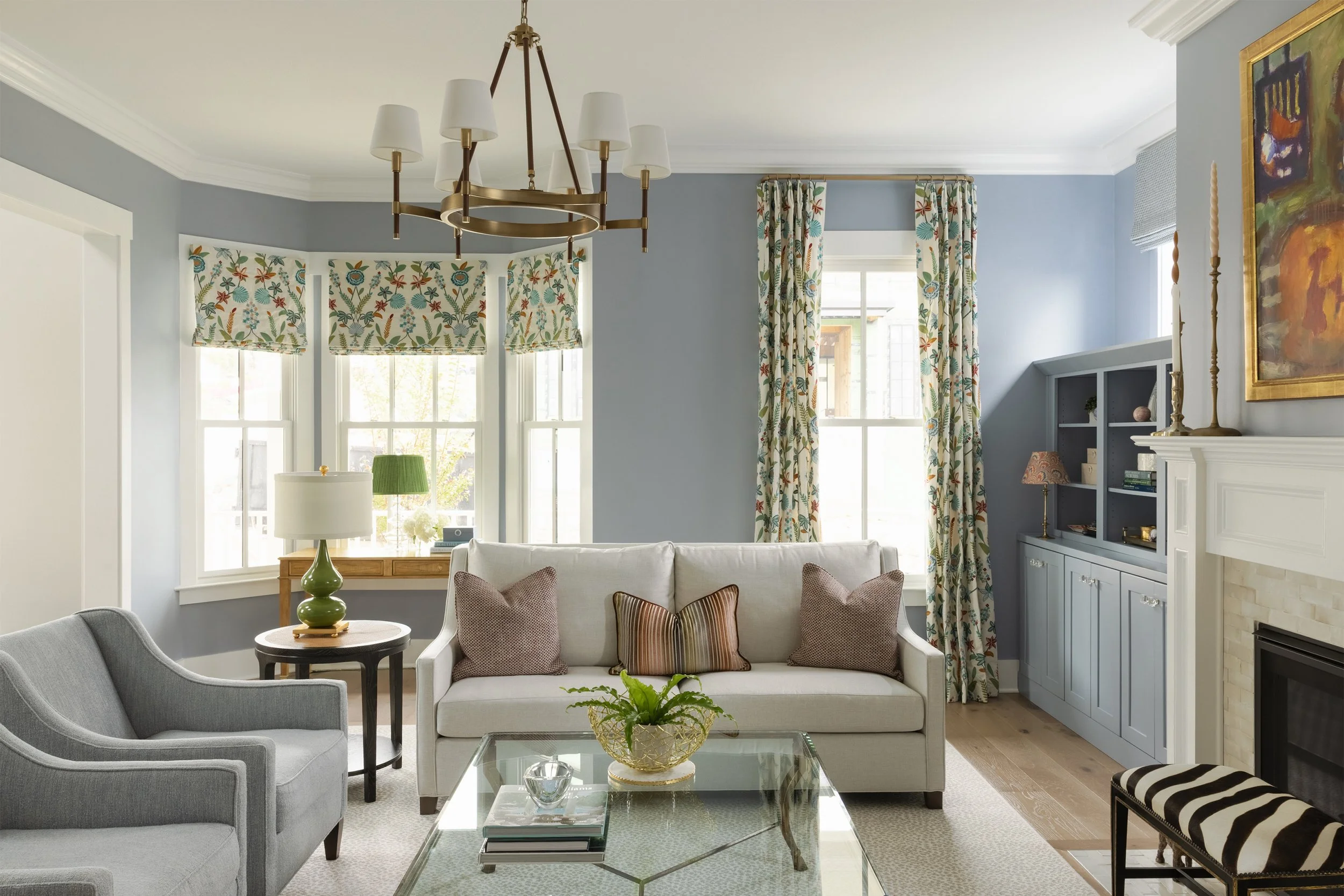
Designer: Paige Williams, Photographer: Girls at Flourish
The difference between custom drapery that looks professionally installed and window treatments that feel unfinished often comes down to one overlooked element: the hardware. At Brave Maggie Designs, we've seen beautiful fabric choices elevated to extraordinary with the right rod and rings, just as we've witnessed stunning textiles undermined by hardware that missed the mark. The metal, wood, or acrylic that holds your custom window treatments isn't merely functional - it's the jewelry of your windows, the architectural detail that completes your design story.
Yet hardware selection remains one of the most challenging decisions for both homeowners and designers. Should you match your door handles or contrast them? Does that ornate finial complement your minimalist aesthetic or fight against it? How do you know when to splurge on custom hardware versus selecting quality ready-made options? These questions deserve thoughtful answers, because the right hardware transforms window treatments from simple fabric panels into fully realized design elements.
Understanding the Fundamentals
Before diving into style choices, let's establish what constitutes quality drapery hardware. The best hardware combines three essential elements: structural integrity, smooth operation, and visual appeal. During our consultation, we always discuss hardware early in the process because it affects everything from fabric fullness calculations to installation requirements.
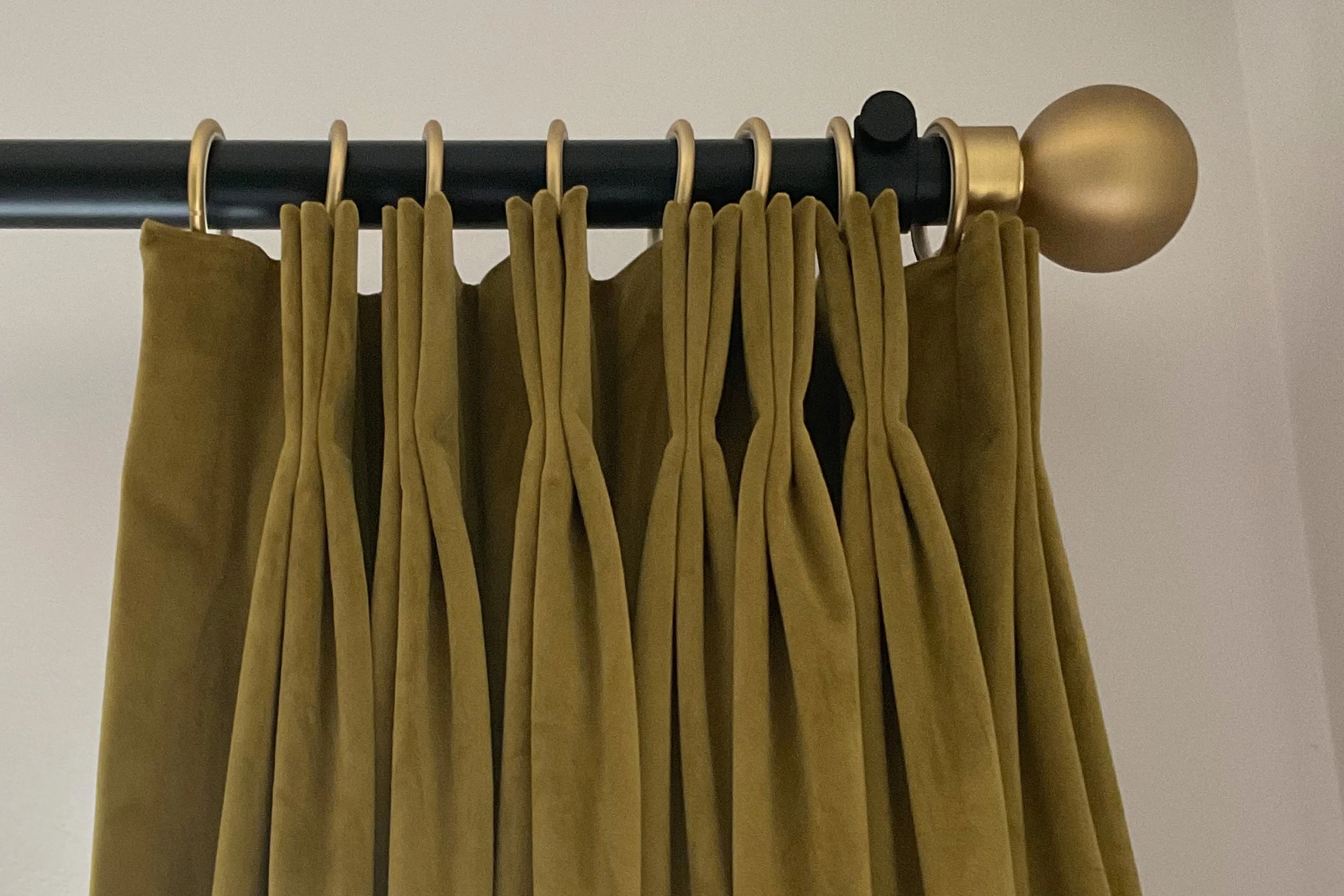
The rod itself must support your fabric's weight without sagging - a consideration that becomes critical with lined custom drapery or heavier materials like velvet. We guide clients through understanding weight ratings, span limitations, and when center support brackets become necessary. That gorgeous floor-to-ceiling silk drapery won't maintain its elegance if the rod bows under its weight.
Functionality matters as much as strength. Your custom window treatments should glide effortlessly when drawn, whether you're using rings, grommets, or track systems. We test different mechanisms during selection, considering factors like fabric weight, daily use patterns, and whether you'll be operating treatments manually or incorporating motorization.
The Language of Finishes
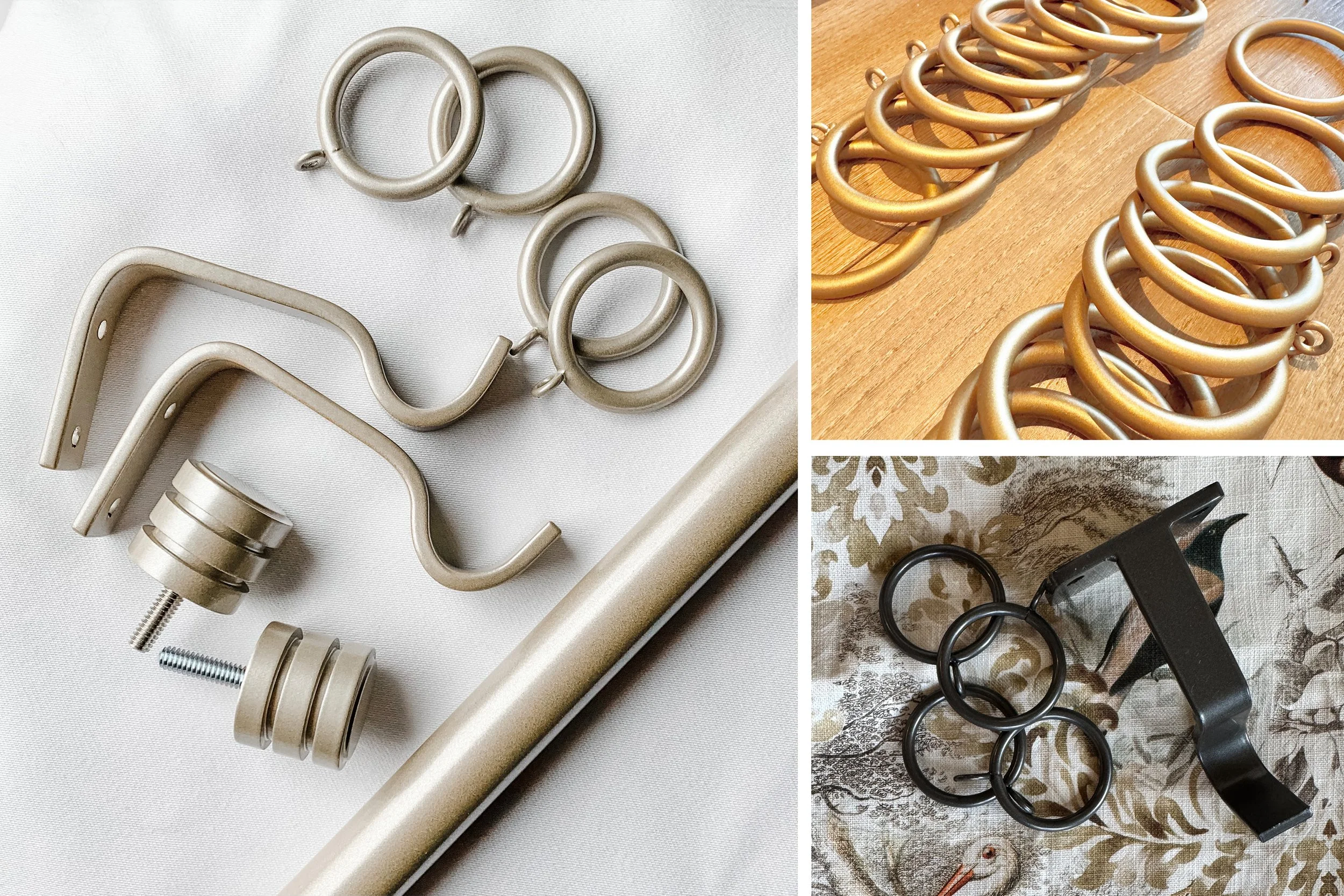
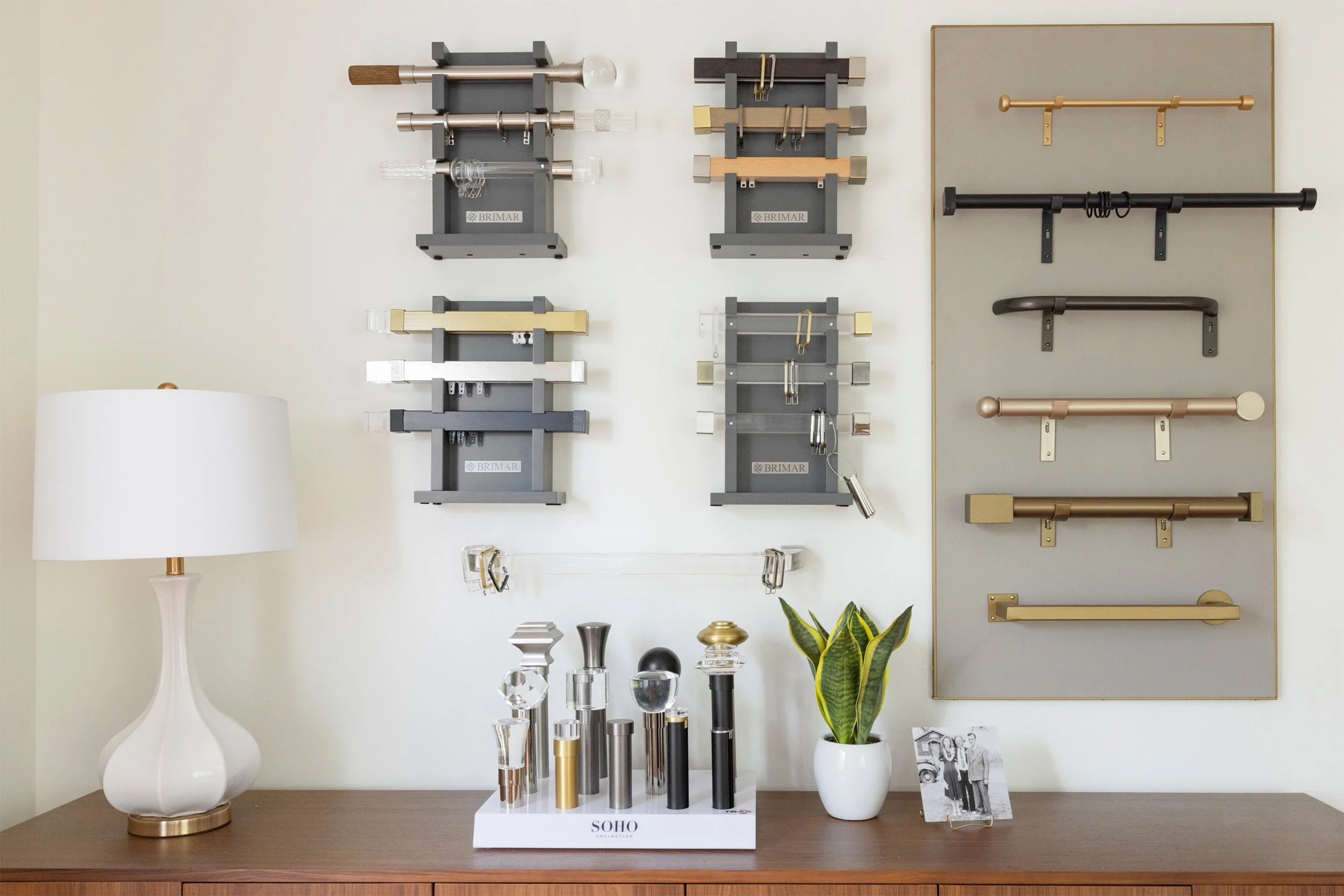
Hardware finish serves as the punctuation mark of your window design, and like punctuation, it can completely change the meaning of your statement. In our Franklin showroom, we demonstrate how the same custom drapery reads differently with brass versus black hardware, how chrome creates modernity while bronze suggests tradition.
The current trend toward mixed metals throughout homes has liberated hardware selection from rigid matching rules. We now layer finishes thoughtfully - perhaps matte black drapery rods in a room with brass lighting and chrome door handles. The key lies in intentional distribution and maintaining a hierarchy where one finish dominates while others provide accent notes.
Consider too how finishes age and patina. Unlacquered brass develops character over time, while powder-coated finishes maintain their original appearance. Some clients love the living finish that evolves; others prefer the consistency of protected metals. We help you understand these long-term implications during your hardware selection.
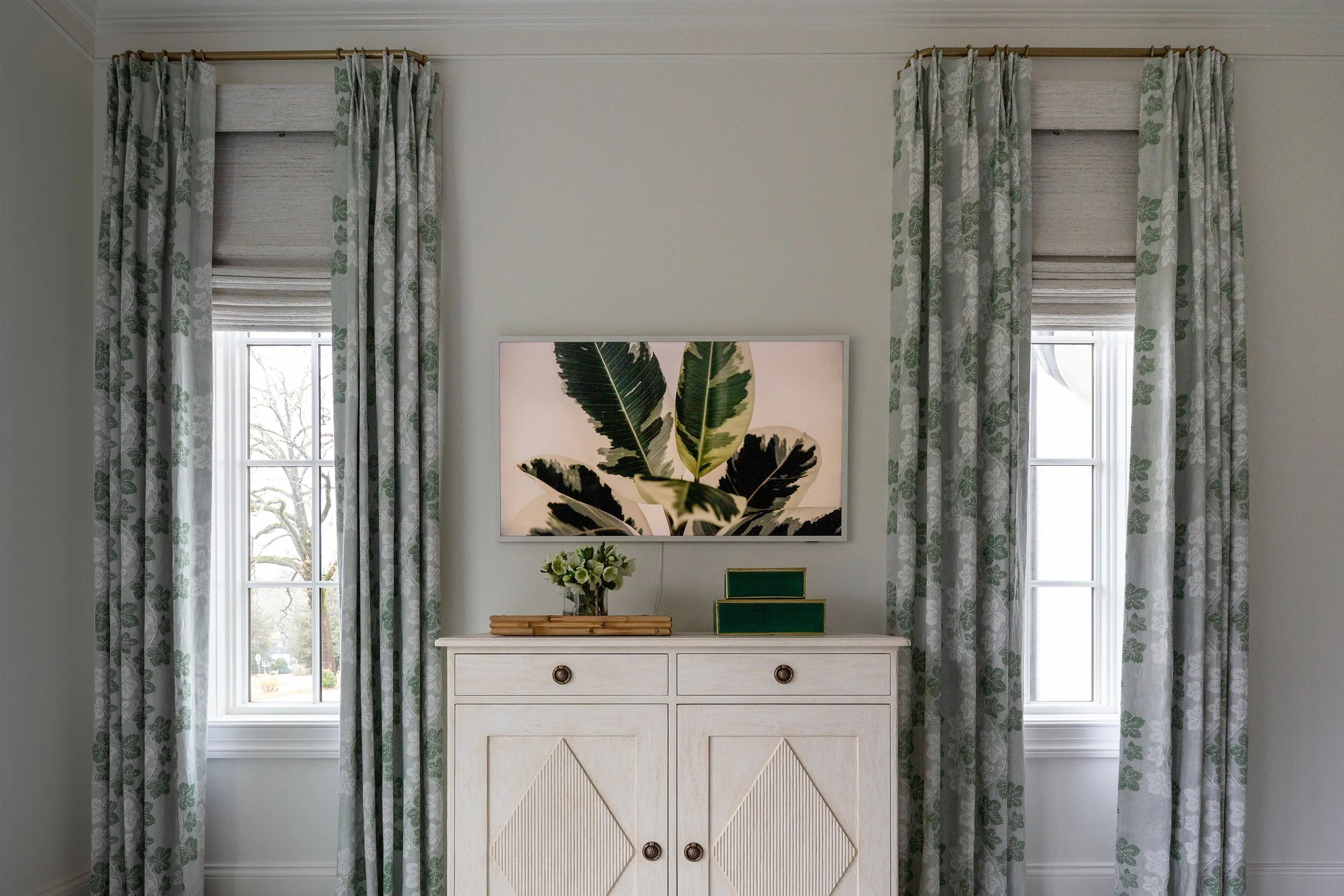
Designer: EH Interiors, Photographer: Kristen Mayfield
Scale and Proportion Mastery
Perhaps no aspect of hardware selection impacts visual success more than scale. We see it constantly - beautiful custom window treatments diminished by hardware that's too delicate, or elegant fabrics overwhelmed by oversized rods. The relationship between hardware scale and room proportion requires careful consideration.
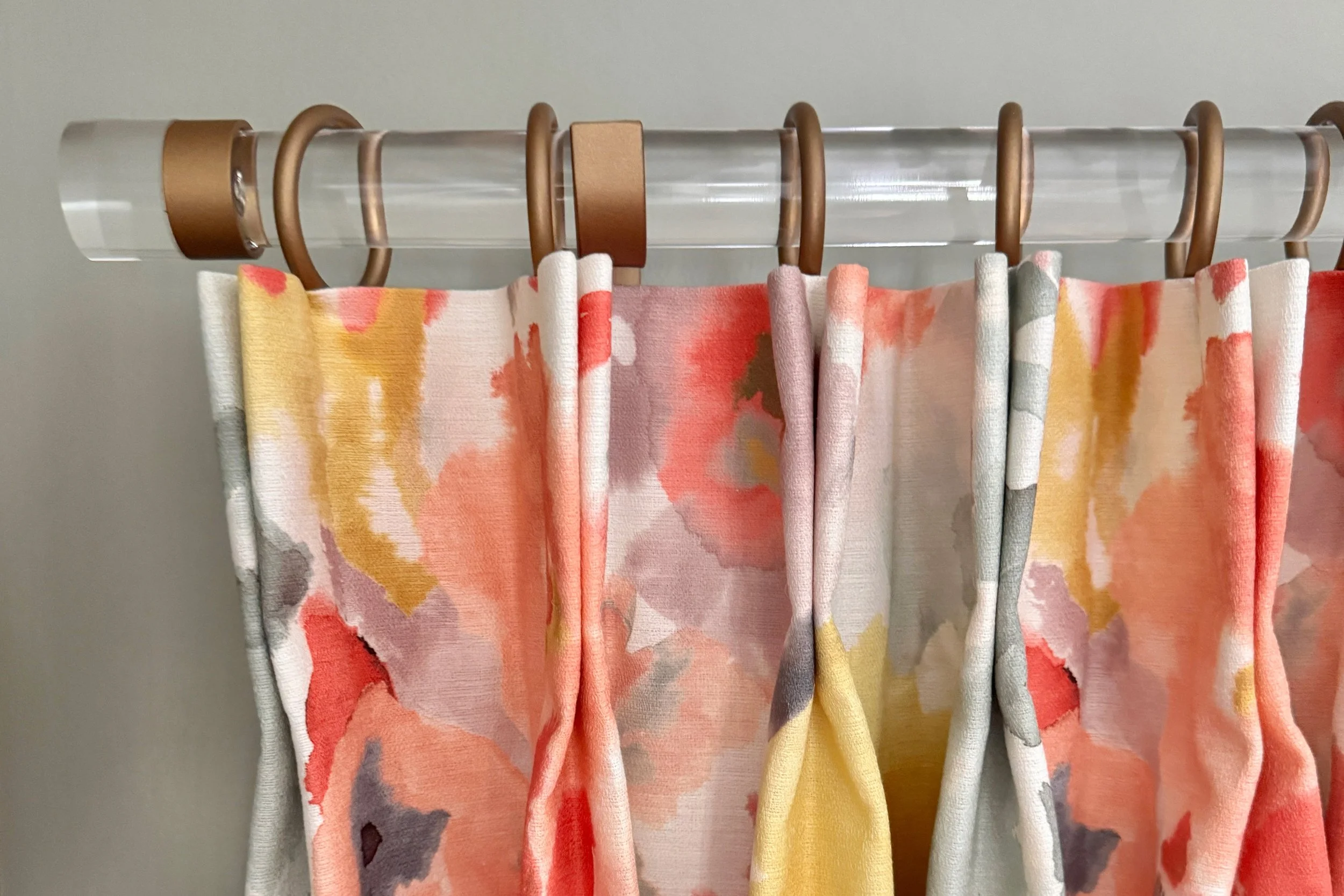
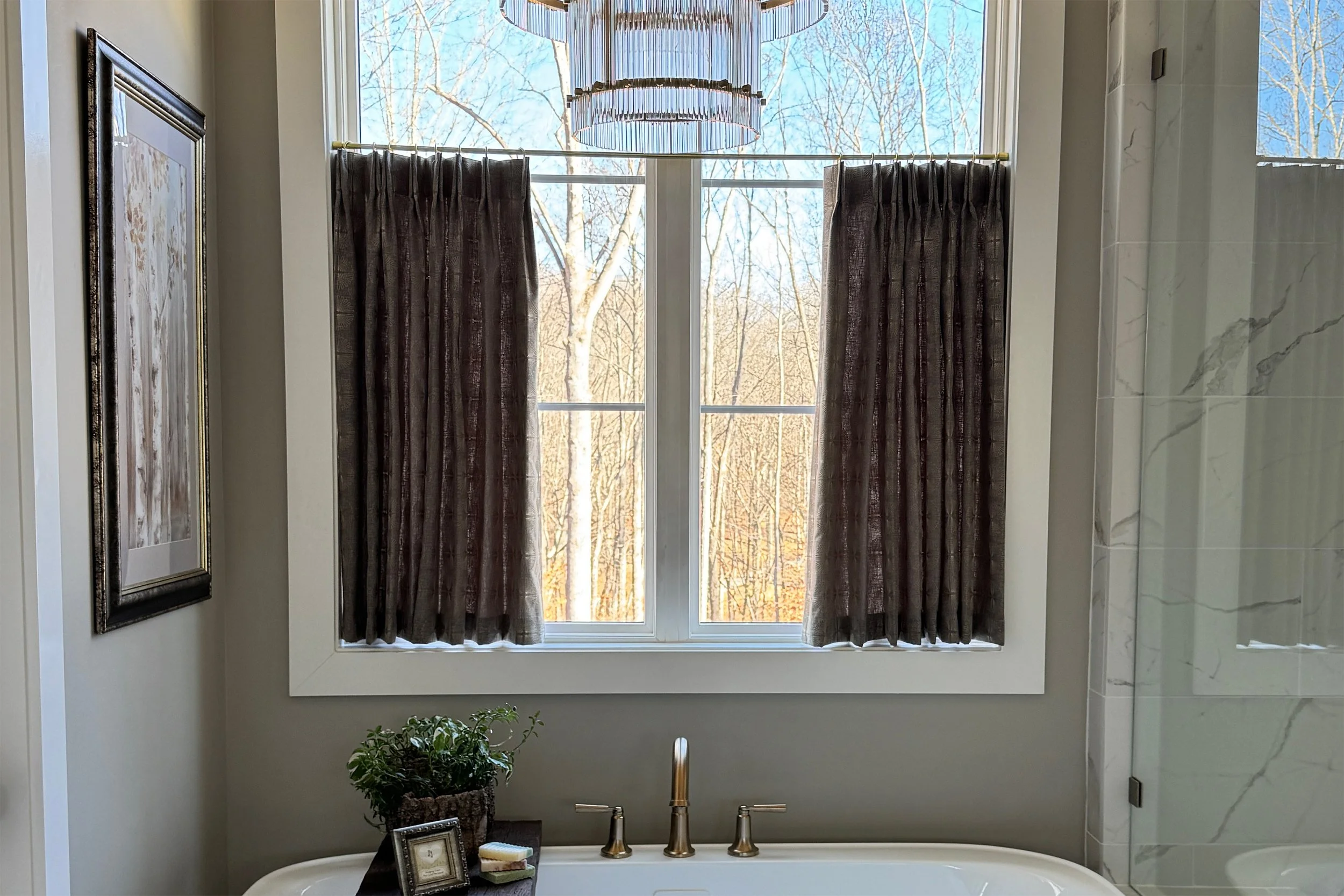
For café curtains, we typically recommend rod diameters between 1/2 to 3/4 inches. For larger windows, considering room scale and ceiling height, 1 to 2 inches works beautifully - with 1 inch being our most popular choice. Those seeking a more traditional aesthetic might consider a 2-inch wood rod or occasionally 2 1/4 inches, though we rarely exceed 2 1/2 inches even in the grandest spaces. The old-school 3-inch rods have largely fallen out of favor except in very specific historical restorations.
Finial selection offers another opportunity to establish proper scale relationships. These decorative end pieces can be subtle punctuation or statement jewelry for your windows. We guide clients toward finials that complement without competing - substantial enough to feel intentional, refined enough to enhance rather than distract from your custom drapery.
Style Matching Without Mimicking
Your rod and ring selections should converse with your room's aesthetic without slavishly matching every element. In traditional Nashville homes, we might pair classic drapery with metal or wood featuring gentle curves and refined details—think acanthus leaf finials or reeded rods. Yet even in traditional settings, a surprise element like modern rings can create sophisticated tension.
Contemporary spaces often call for clean-lined hardware with minimal ornamentation. We love floating track systems that make custom window treatments appear to hover, or ultra-simple rods with geometric finials. But contemporary doesn't mean boring - consider matte black hardware with brass accent rings, or acrylic rods that add transparency and light.
Transitional design - that sweet spot between traditional and contemporary that defines many Franklin and Belle Meade homes - offers exciting possibilities. French returns are currently the most popular transitional rod style, offering clean lines with just enough detail to feel finished. This style bridges different aesthetics beautifully, working with everything from casual linens to formal silks.
The Technical Considerations
Beyond aesthetics, hardware must meet practical requirements that vary by window type and treatment style. Inside mount versus outside mount affects both rod selection and visual impact. We guide clients through these technical decisions, ensuring hardware enhances both function and design.
For custom drapery that needs to fully clear the window when open, we calculate stack-back and specify appropriate rod extensions. Traversing systems require different hardware than stationary panels. Layered treatments - perhaps sheers with custom drapery - need double rods or specialized track systems. Each scenario has optimal hardware solutions we've refined through years of installations.
Corner windows, bay windows, and angled tops each present unique hardware challenges. We work with specialized suppliers who create custom bends and connections, ensuring your window treatments flow seamlessly around architectural features. Sometimes the most successful hardware is the type you don't notice because it perfectly serves its purpose.
Hardware for Different Treatment Styles
Each style of window treatment benefits from specific mounting solutions that enhance its particular characteristics. Quality drapery panels deserve proper rings that allow smooth operation and beautiful draping. The ring style matters tremendously - simple rounds or squares work beautifully, while decorative options can add personality. One sure sign of quality? Never use rings with clips on fine drapery - these are indicators of shortcuts that undermine the entire installation.
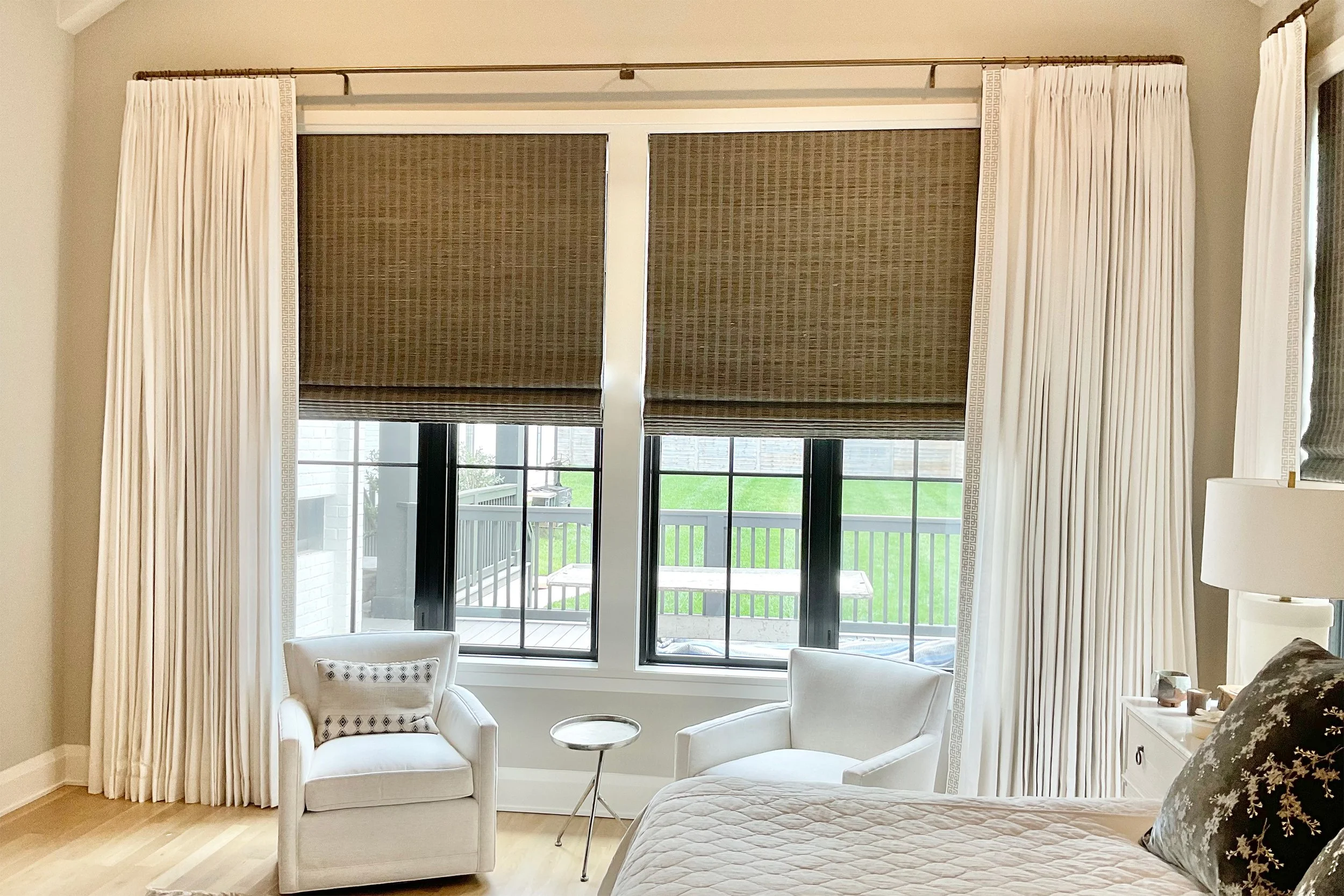
Roman shades and other custom soft furnishings require entirely different approaches. We specify lifting mechanisms that ensure smooth operation and even folds, considering factors like shade width and stack height. The mechanisms might be completely hidden or become a decorative element with exposed pulleys and chains.
For spaces requiring both beauty and performance, motorized systems have become increasingly sophisticated. Today's systems integrate seamlessly with home automation while maintaining visual elegance. We help clients understand options from battery-powered solutions to hard-wired systems, ensuring technology enhances rather than complicates their window treatments.
Layering Hardware for Complex Installations
Some of our most successful projects involve layered window treatments - perhaps wallpaper providing backdrop, sheers for diffusion, and custom drapery for drama. These installations require thoughtful hardware coordination to prevent visual chaos while maintaining individual functionality.
Double rods must relate proportionally and stylistically while allowing independent operation. We might specify a decorative front rod for custom drapery with a more subtle rear rod for sheers. Or we could use ceiling-mounted tracks that completely hide hardware, letting layered fabrics take center stage.
The fabric selection process includes considering how different treatments will interact on their respective hardware. Will the sheers catch on the drapery rings? Does the hardware spacing allow proper fullness for both layers? These technical considerations ensure your layered treatments function as beautifully as they look.
Investment Allocation Strategies
Here's a truth we share with every client: exceptional hardware can elevate even modest drapery, while subpar hardware will diminish the finest fabrics. We often recommend investing in quality rods and professional installation over expensive fabric if the budget requires choices. A well-hung, ready-made panel on proper hardware - steamed, with correct spacing and quality pins - looks infinitely better than luxury fabric on a cheap telescoping rod.
The difference between professional and amateur results often comes down to these details. Proper hardware supports fabric correctly, operates smoothly, and maintains its appearance over time. Those budget telescoping rods simply aren't engineered to handle the weight and daily use of quality window treatments. They sag, stick, and ultimately fail, wasting the investment in beautiful fabric.
For budget-conscious projects, we offer entry-level options that maintain quality standards without premium pricing. These foundational pieces provide the structural integrity and visual appeal necessary for professional results. The key is understanding that hardware isn't where to cut corners - it's the foundation that makes everything else work.
Designer: Paige Williams, Photographer: Girls at Flourish
Coordination Throughout Your Home
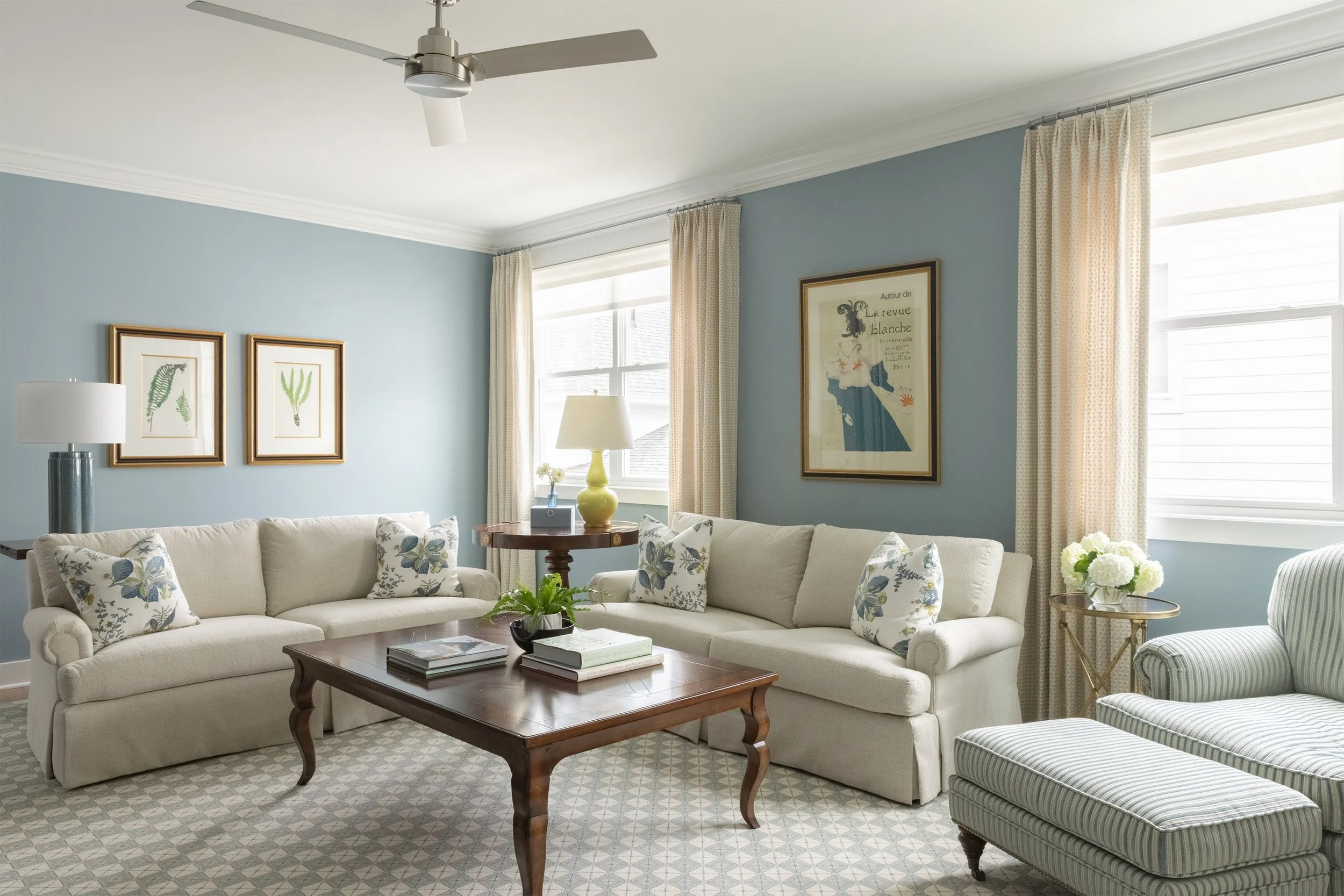
While hardware doesn't need to match exactly throughout your home, thoughtful coordination creates a sophisticated flow. We often specify variations on a theme, perhaps using the same finish family but varying styles by room function, or maintaining consistent finial styles while changing rod profiles.
Consider how hardware relates to other metal finishes in each space. Your drapery hardware should acknowledge cabinet pulls, lighting fixtures, and plumbing finishes without necessarily matching them exactly. We help clients create metal finish palettes that work throughout their homes while allowing individual room personalities.
The progression from public to private spaces might also warrant different hardware approaches. Formal living areas might feature more decorative hardware supporting elegant custom drapery, while bedrooms could have simpler, more understated options. This variation adds interest while maintaining overall cohesion.
Photographer: Girls at Flourish
Making Your Selection
The process of selecting perfect drapery hardware begins with understanding your priorities. Are you seeking hardware that disappears, allowing custom window treatments to star? Or do you want hardware that adds another decorative layer? We guide clients through these fundamental questions before examining specific options.
Bring fabric samples, room photos, and finish samples from other room elements when selecting hardware. Natural light versus evening lighting can dramatically affect how finishes appear. We encourage clients to take hardware samples home, seeing them in actual room conditions before making final decisions.
Consider maintenance requirements and longevity. Some finishes require periodic polishing while others maintain themselves. Hardware in high-use areas needs to withstand daily operation. We share insights about what holds up best based on years of client feedback and our own observations.
Your Hardware Journey Begins
Perfect drapery hardware does more than hold fabric - it completes your window design vision, ensures smooth operation, and adds that final layer of sophistication that separates professional installations from amateur attempts. Whether you're hanging new custom drapery, updating existing treatments, or planning comprehensive room makeovers including wallpaper and soft furnishings, hardware deserves careful consideration.
The intersection of beauty and function, where your style preferences meet practical requirements, is where perfect hardware selections emerge. We're here to guide you through options, explain implications, and ensure your hardware investment enhances your custom window treatments for years to come.
Ready to select the perfect hardware for your custom window treatments? Schedule your consultation and let's ensure every detail of your window design, from fabric to finials, reflects your style perfectly.
