

Maximalist Window Treatments: How to Mix Bold Patterns Like a Designer
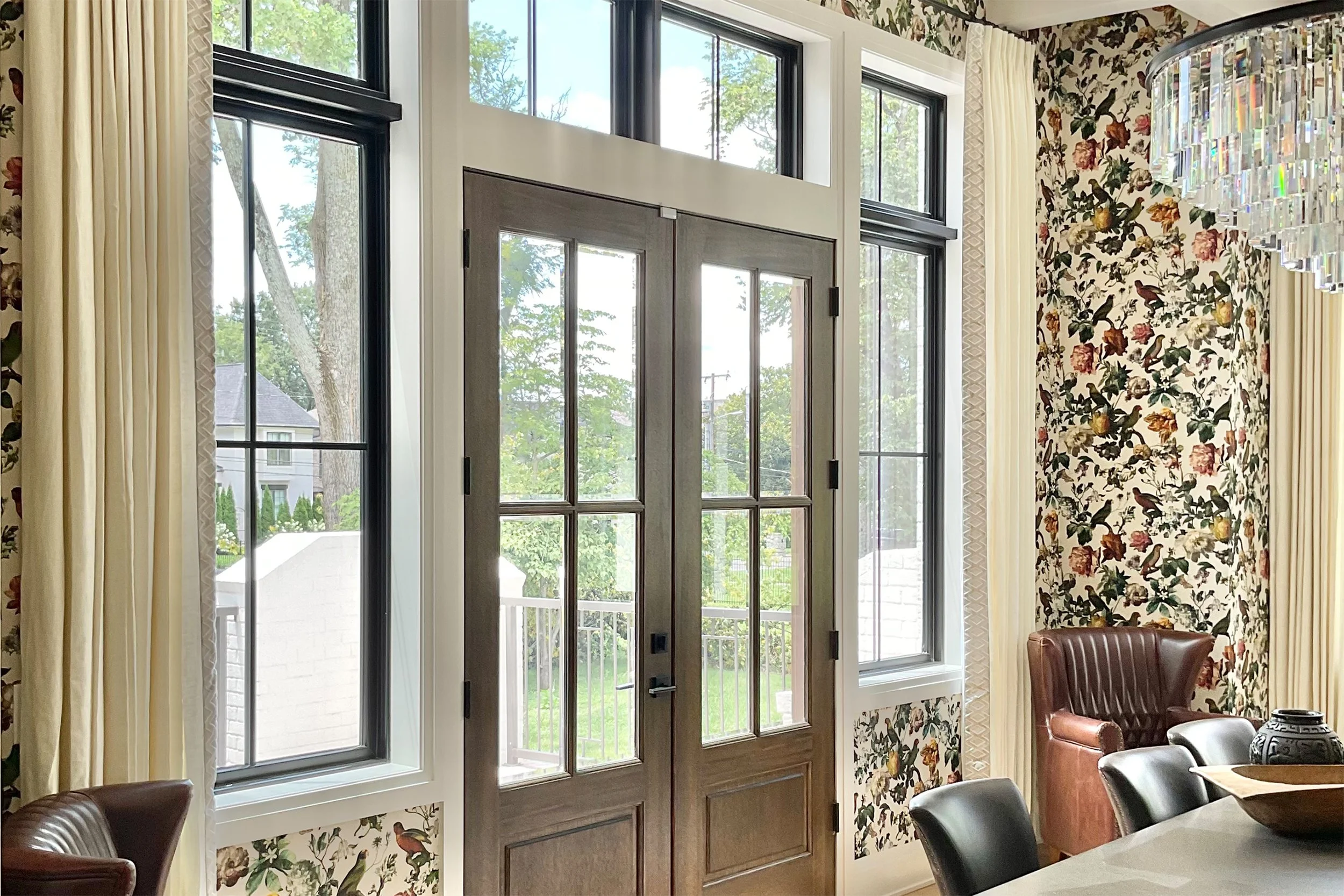
Designer: Jennie Rebecca Designs
There's something magical about walking into a room where bold patterns work together beautifully. Instead of feeling chaotic or overwhelming, everything feels intentional—like each element was chosen to enhance the others. The difference between stunning maximalism and visual chaos often comes down to strategy.
We've found that maximalism actually requires more planning than minimalism, not less. When you're working with multiple bold elements, every choice matters. You need a clear vision of the story you're telling, and each pattern should play a specific role in that narrative.
The payoff is worth it, though. Maximalist window treatments create rooms with personality and richness that subtle approaches simply can't match. From coordinating dramatic wallpaper with statement drapery to layering different patterns within the same window treatment, you can achieve looks that feel both sophisticated and full of life.
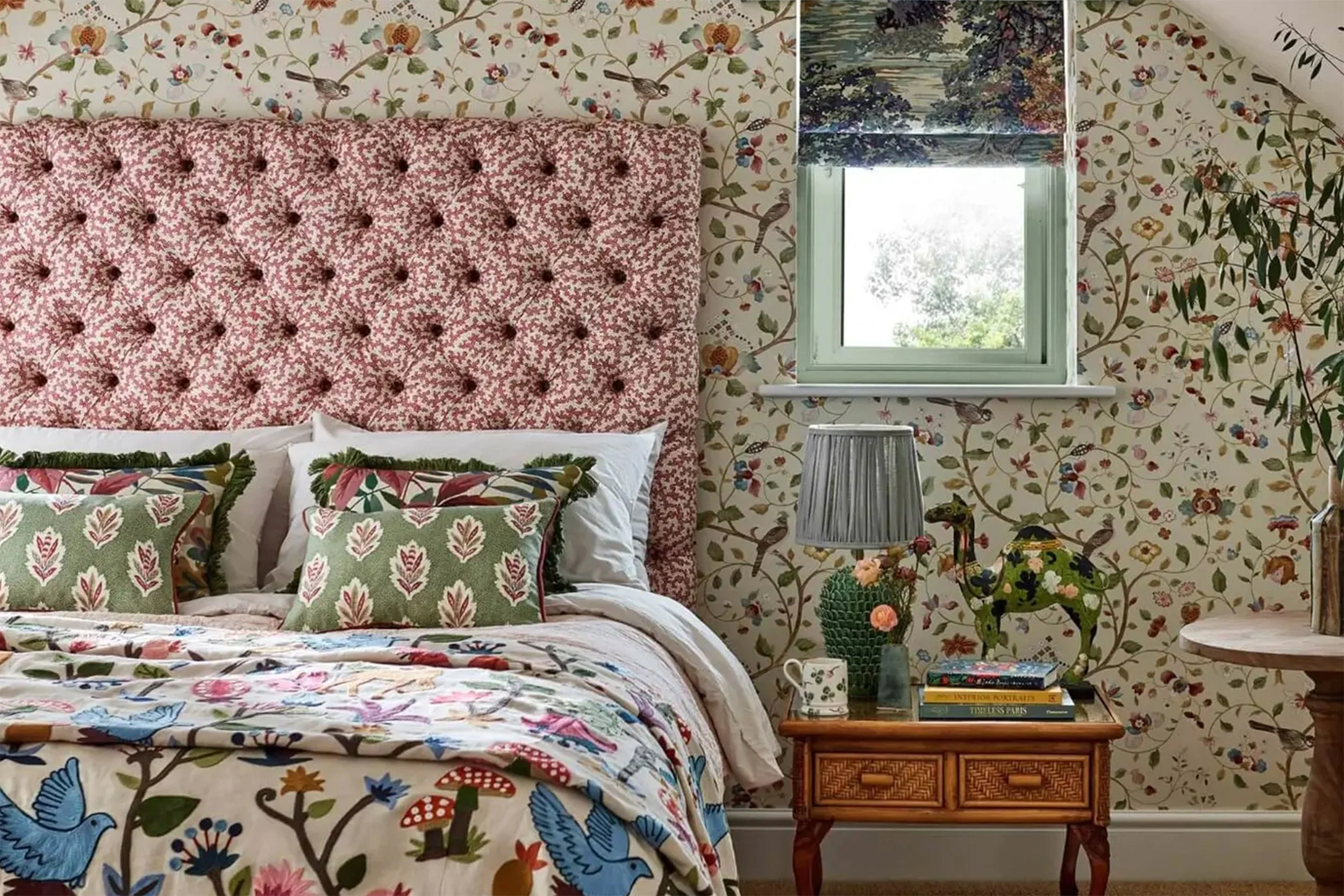
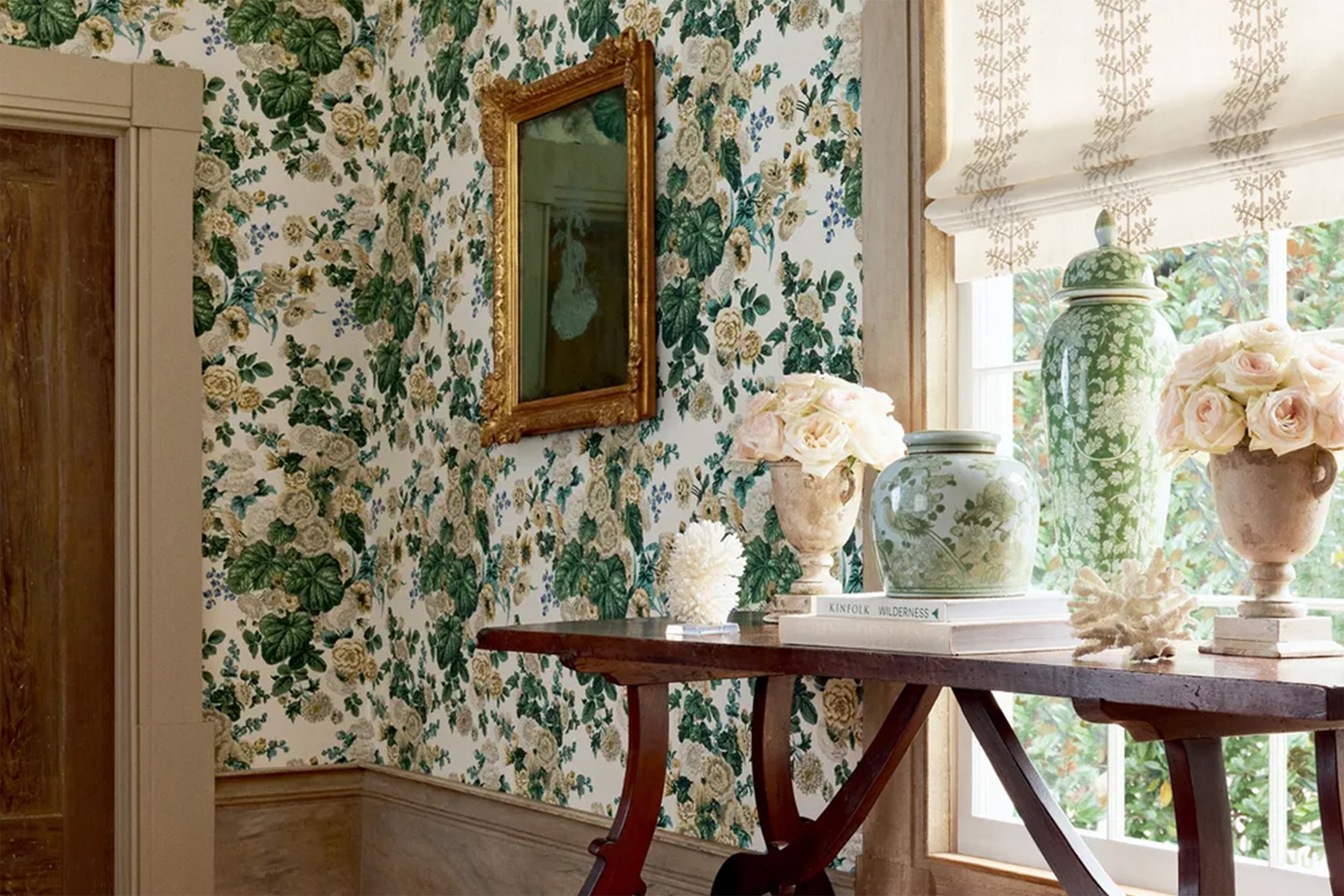
Sanderson Fabrics
Understanding Maximalist Principles
Maximalist design isn't about using every pattern you love - it's about using the right patterns in the right relationships. In our experience, the most successful maximalist spaces follow clear principles that create harmony within apparent chaos. Color becomes your foundation, scale creates rhythm, and quality materials ensure everything feels intentional rather than overwhelming.
The difference between successful maximalism and visual mayhem lies in restraint within abundance. This might sound contradictory, but what it means is being selective about where you place your boldest statements. Not every surface needs pattern, and not every pattern needs to be dramatic. Strategic placement of quieter moments lets your bold choices truly shine.
Texture plays a crucial role in maximalist window treatments because it adds richness without additional visual complexity. Mixing smooth chintz with nubby linen, lustrous silk with matte cotton, or woven grasscloth with flowing drapery creates depth through material contrast rather than just pattern layering.
What we've discovered is that maximalist rooms work best when they feel like they evolved over time rather than being decorated all at once. This collected quality comes from varying your pattern sources, mixing different scales thoughtfully, and ensuring your color story flows throughout the space.
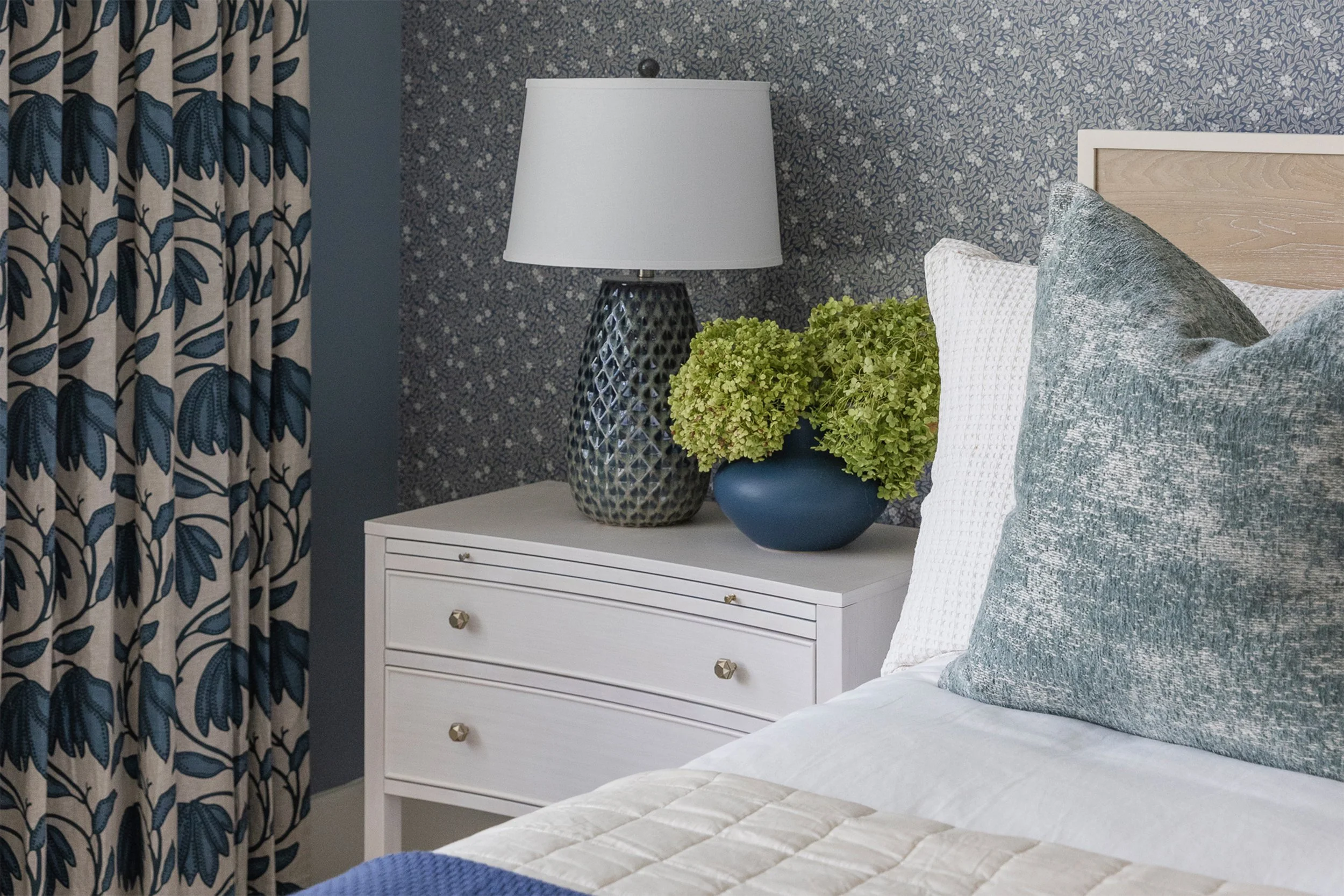
Photographer: Girls at Flourish Designer: Paige Williams
Start with Your Color Foundation
Before you fall in love with individual patterns, you need to establish your color story. This becomes absolutely critical in maximalist design because you'll be coordinating multiple bold elements that need to feel intentional together. We typically work with clients to develop three or four core colors that will appear throughout their room in different proportions and intensities.
The 60-30-10 rule still provides a useful framework even in maximalist spaces, though the proportions might shift slightly depending on your approach. Your dominant color might appear in large-scale wallpaper or your primary drapery panels, while secondary colors show up in accent patterns or contrasting trim details. That final 10 percent becomes your surprise element - the unexpected pop that prevents everything from feeling too perfectly coordinated.
Undertones matter enormously when you're coordinating multiple patterns. Even when you're mixing different colors, maintaining consistent undertones helps everything feel harmonious rather than discordant. All warm-based colors work together beautifully, as do cool-based palettes, but mixing warm and cool requires very careful handling to avoid that unsettled feeling.
In our work with Tennessee homes, we've found that maximalist color stories often work best when they're grounded in nature. Think rich forest greens paired with warm terracotta and deep navy, or soft sage with lavender and coral accents. These organic color relationships feel collected and sophisticated rather than forced or artificial.
Mastering Scale Relationships
Once you have your color foundation established, scale variation becomes your most powerful tool for creating visual harmony. When you're mixing multiple patterns, they absolutely need to work at different scales to create a pleasing rhythm rather than visual competition. We typically aim for at least three different scales in any maximalist room: large, medium, and small patterns that each serve different purposes.
Large-scale patterns make dramatic statements and should be used strategically where they can command attention without overwhelming your space. Think oversized florals, bold geometrics, or dramatic damask designs. These work beautifully as feature wallpaper or statement drapery panels where they have room to breathe and be appreciated.
Medium-scale patterns provide a crucial transition and balance between your large statements and smaller details. These might appear in coordinating wallpaper, secondary window treatments, or upholstery that needs to hold its own without competing directly with your boldest choices for visual dominance.
Small-scale patterns add texture and detail without carrying visual weight that competes with your larger elements. Tiny geometrics, delicate florals, or subtle weaves work beautifully as trim details, accent pillows, or secondary treatments that support your overall design story without demanding attention.
The key insight we've gained about scale mixing is that you need breathing room between different pattern sizes. If your wallpaper features large-scale botanicals, your primary drapery will work much better in a medium geometric or small textural pattern rather than another bold floral that competes at the same scale.
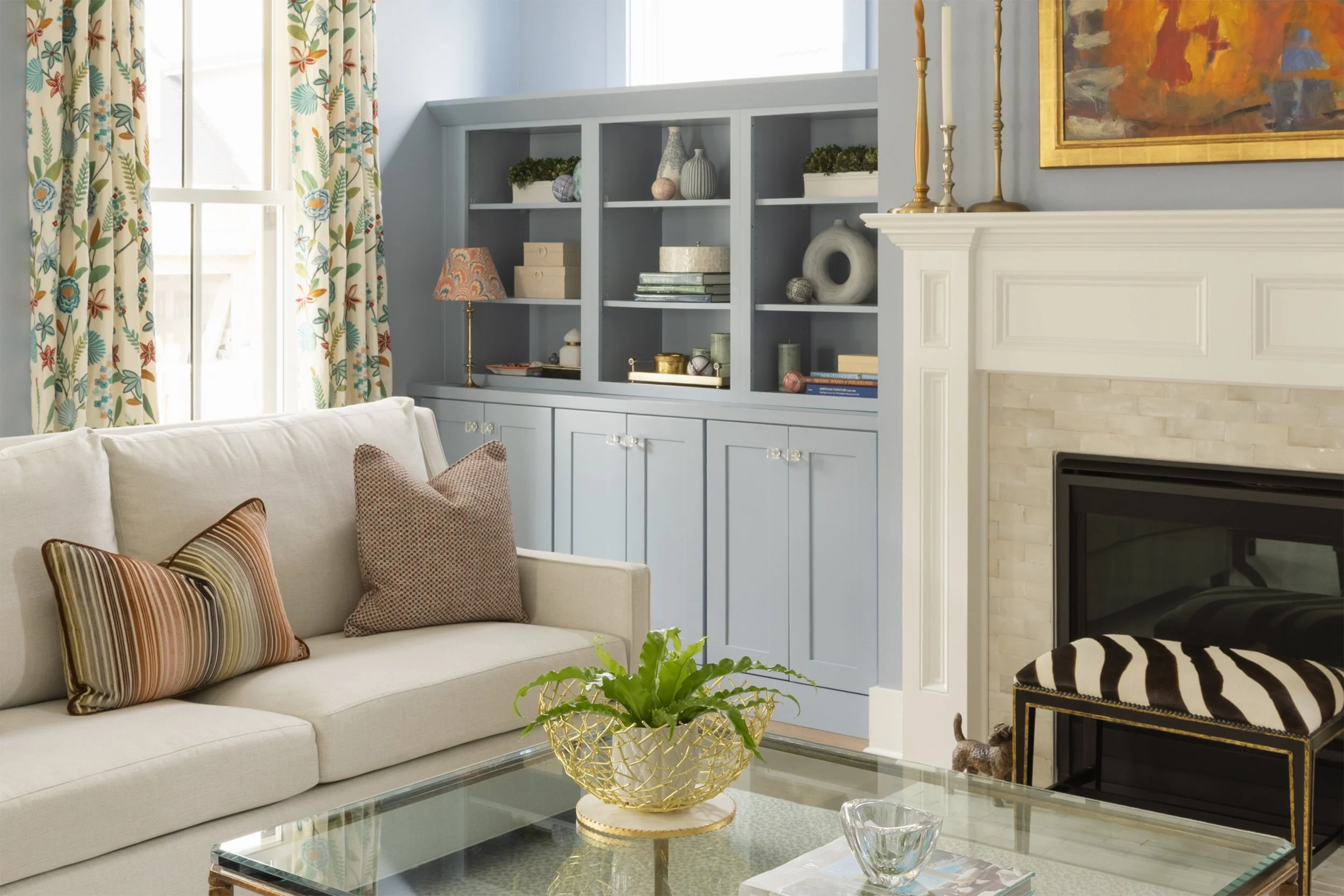
Photographer: Girls at Flourish Designer: Paige Williams
Pattern Combinations That Actually Work
Over the years, we've discovered that certain pattern combinations consistently create beautiful results in maximalist spaces. Florals and geometrics form one of our favorite pairings because they create natural contrast - the organic, flowing curves of botanical patterns balanced beautifully by the structured, precise lines of geometric motifs. This combination works because the patterns serve completely different visual functions while sharing your established color relationships.
Traditional and contemporary patterns can coexist beautifully when they share similar scale and color characteristics. A classic toile might coordinate perfectly with modern abstract prints if they work at comparable scales and share your core color palette. The secret is ensuring one pattern dominates the space while the other provides interesting contrast and support.
Mixing pattern densities adds another layer of sophistication to maximalist schemes. Dense, detailed patterns like intricate chintz or busy paisley need to be balanced with simpler, more open designs that give the eye places to rest. This contrast prevents visual overwhelm while maintaining all the richness and complexity that makes maximalist design so appealing.
One combination that often surprises people is animal prints with botanical motifs. When you think about it, they both draw inspiration from nature, so they share common ground that makes them natural partners. Leopard print wallpaper can actually look stunning with large-scale leaf patterns in custom drapery, creating this sophisticated wildness that feels both unexpected and completely harmonious.
Thibaut Designs
Coordinating Your Major Elements
The relationship between your wallpaper and custom window treatments becomes absolutely crucial in maximalist spaces because these are your largest pattern surfaces - they literally set the tone for everything else in your room. When both elements are patterned, they need to work in clear hierarchy rather than competing with each other for visual dominance.
One approach that consistently delivers beautiful results is letting your wallpaper be the primary pattern statement while your window treatments provide supporting color and texture. Bold botanical wallpaper might pair gorgeously with solid velvet drapery in one of the wallpaper's accent colors, or dramatic geometric walls could work with textured linen panels that echo the wallpaper's secondary hues.
Sometimes we flip this relationship entirely, especially when the windows are your room's most prominent architectural feature. Patterned window treatments against more subtle wallpaper allow your custom drapery to become the primary pattern statement. This approach also gives you wonderful flexibility if you enjoy changing your look seasonally.
What we've found works especially well is the coordinated contrast approach - using wallpaper and window treatments that share your established color relationships but work at distinctly different pattern scales. Large-scale floral wallpaper with small geometric drapery, or bold striped walls with medium botanical panels. This creates a visual conversation between your major elements without any sense of competition.
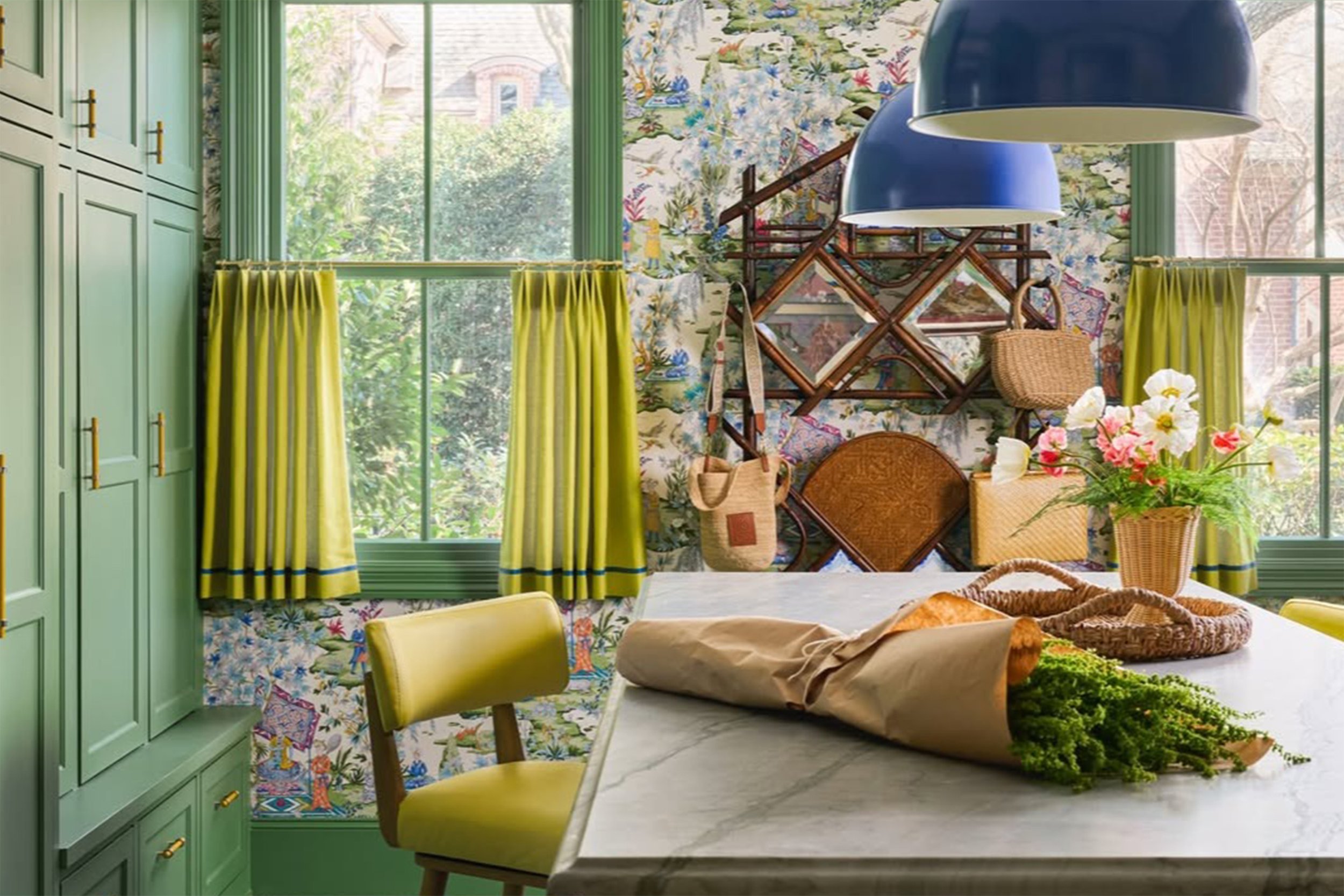
Designer: Harmen Designs, Photographer: k8_creative, Fabric: Lodi Garden by Sanderson
Layering Techniques for Sophisticated Impact
Successful maximalist window treatments often involve layering multiple elements that work together harmoniously rather than just piling on more pattern. This might mean combining patterned roman shades with coordinating drapery panels, or mixing different patterns within the same window treatment through strategic use of trim and contrast details.
Roman shades layered behind patterned drapery panels create sophisticated depth while providing you with flexible light control throughout the day. The patterns can coordinate through your established color relationships while working at different scales, or you might use the same pattern in different colorways for subtle tonal variation that feels completely intentional.
Trim and passementerie become incredibly powerful tools in maximalist design because they allow you to introduce additional pattern and color in controlled, manageable doses. Contrasting trim on solid drapery panels, patterned tiebacks, or decorative hardware in coordinating colors can add that extra layer of richness without pushing your design over the edge into chaos.
What we've learned about successful layering is that each element should serve a clear, specific function - whether that's privacy, light control, or pure decoration - while also contributing meaningfully to your overall aesthetic vision. Layering just for the sake of adding more complexity creates visual noise without purpose, which works against everything you're trying to achieve.
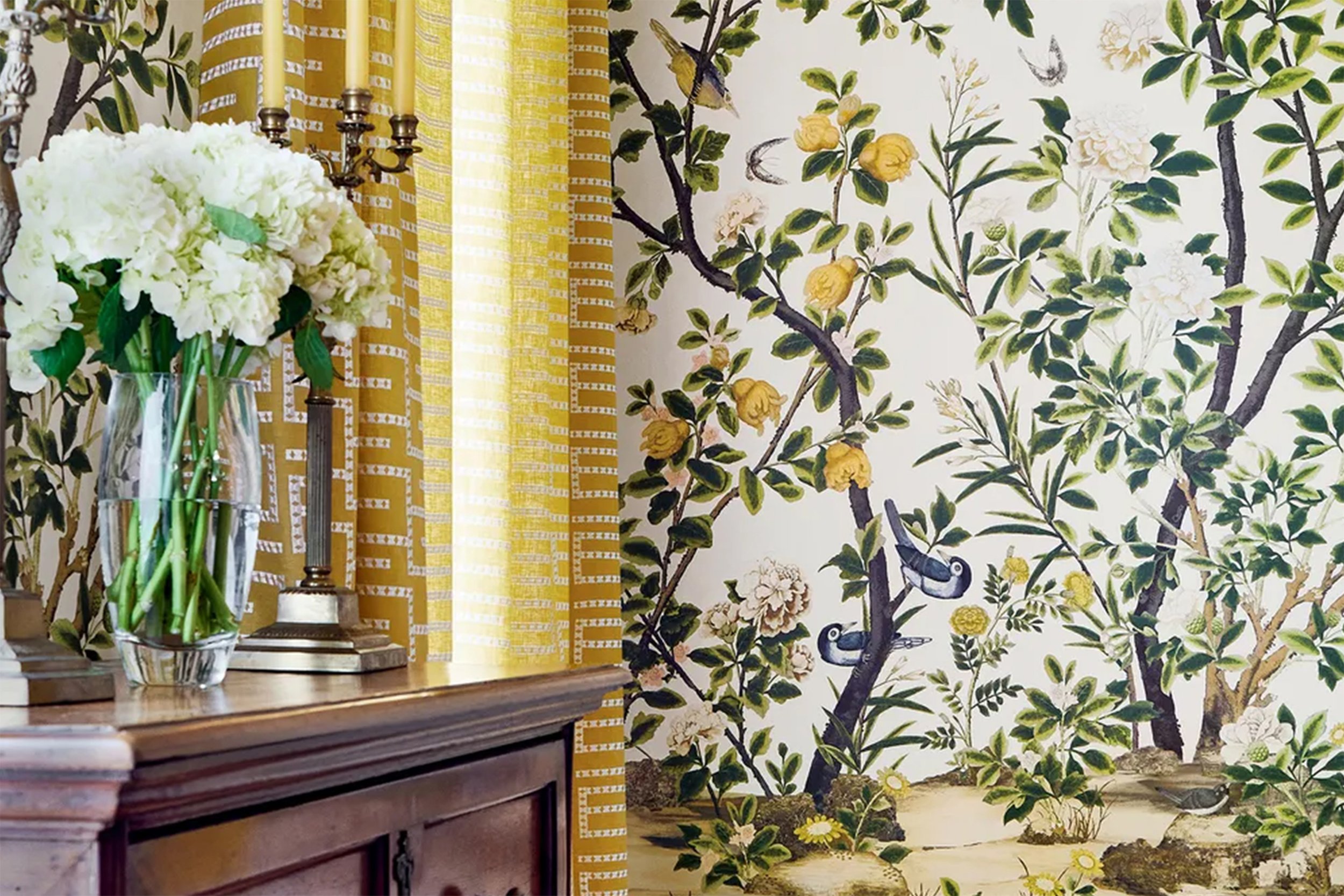
Thibaut Designs
Room-Specific Maximalist Applications
Living rooms offer the most flexibility for maximalist window treatments because they're typically larger spaces that can handle visual complexity without feeling overwhelming. These rooms often benefit tremendously from bold pattern coordination between walls and windows, creating dramatic backdrops that enhance both entertaining and everyday family life.
We always consider how your pattern choices will look at different times of day and in various lighting conditions. What feels energizing and inspiring during bright morning light should still feel comfortable and welcoming in the evening when you're trying to unwind. Bold patterns should enhance and support your lifestyle, never create visual stress or anxiety.
Dining rooms are actually perfect candidates for maximalist treatments because they're primarily used for special occasions when a little extra drama actually enhances the entire dining experience. Since you're not spending hours and hours in these spaces on a daily basis, you can handle more pattern density than you might want in a bedroom or home office where you need to focus.
Bedrooms require much more careful handling of maximalist principles because too much visual stimulation can genuinely interfere with rest and relaxation. We typically recommend choosing either bold wallpaper or dramatic window treatments, but not both elements in the same space. Use your secondary element to provide balance and create the more restful environment that bedrooms require.
Common Maximalist Mistakes to Avoid
One of the most frequent mistakes we see is using multiple patterns that all work at the same scale. When everything operates at the same level of visual intensity, nothing gets to be the star, and everything competes for attention. You absolutely need variation in scale to create the visual hierarchy that guides the eye comfortably through your design.
Color confusion represents another common pitfall that can undermine even the most thoughtful pattern selections. This usually happens when patterns share similar colors but have different undertones, creating a subtle discord that's hard to identify but definitely felt. Pay careful attention to whether your colors lean warm or cool, and maintain consistency throughout your selections.
Over-coordination can actually work against you in maximalist design, which might seem counterintuitive. Not every pattern needs to match perfectly with every other pattern in your space. Some happy accidents and unexpected relationships often make rooms feel more interesting and authentically collected rather than obviously decorated.
The biggest mistake, though, is adding patterns simply because they're beautiful rather than because they serve your room's overall story. Every single pattern should have a clear reason for being there and an obvious relationship to the other elements in your space. Random pattern choices, no matter how lovely individually, will undermine your entire design.
Quality Becomes Critical
Quality becomes even more important in maximalist design because bold patterns reveal construction flaws and material shortcomings much more readily than subtle designs ever would. Poor printing quality, cheap materials, or shoddy construction become glaringly obvious when patterns take center stage in your design.
We almost always recommend investing in fewer pieces of truly exceptional quality rather than buying multiple pieces of ordinary materials that won't hold up to scrutiny. This is especially true for your major elements like wallpaper and primary window treatments, where superior construction and materials make a dramatic difference in how everything looks and ages over time.
Professional installation becomes absolutely critical when you're working with bold patterns. Precise alignment, perfect seaming, and expert handling ensure that your investment looks intentional and sophisticated rather than chaotic or amateurish. Even the most beautiful patterns can look messy and poorly planned if they're not installed with real expertise.
Maximalist rooms reward careful editing more than any other design approach we work with. It's genuinely better to do fewer patterns exceptionally well than to compromise quality for the sake of quantity. Remember, your goal is sophisticated abundance that feels collected and intentional, not overwhelming chaos that exhausts the eye.
Making Maximalism Work for Your Life
Embracing maximalist window treatments opens up design possibilities that more restrained approaches simply cannot achieve. The richness, personality, and visual interest that bold patterns provide create rooms with genuine character and sophisticated energy that feels both dramatic and completely livable.
The key insight to remember is that using more patterns actually requires more strategy and planning, not less. Every choice needs clear intention, every element needs a specific purpose, and everything should work together harmoniously to tell your unique design story. When these pieces align properly, maximalist rooms feel both abundant and peaceful - never chaotic or overwhelming.
What we love most about maximalist design is how it celebrates the things you truly love rather than asking you to minimize or hide them. When done thoughtfully, it creates spaces that feel like authentic reflections of your personality and style, rich with the patterns and colors that bring you genuine joy.
Ready to explore maximalist possibilities for your windows? Visit our Franklin showroom to experience bold patterns and rich materials in person. We'll help you understand how different designs work together and create window treatments that embrace abundance while maintaining sophisticated restraint. Schedule your design consultation at bravemaggie.com !
