

The Return of Chintz: Why Floral Drapery is Having a Major Moment
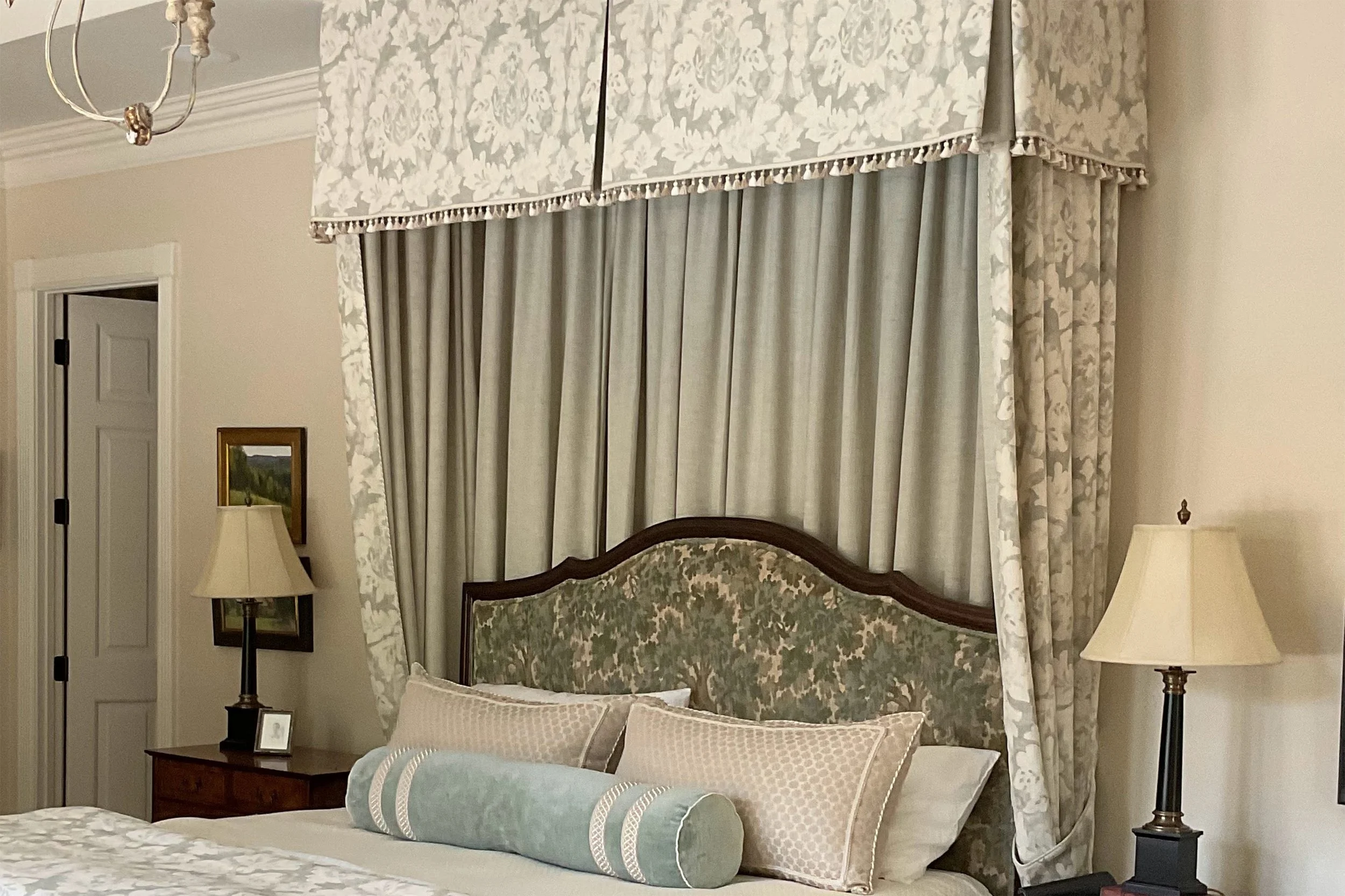
Designer: Debbie Mathews Design
Chintz is back, and it's bringing serious sophistication with it. Those glazed floral prints that once felt too formal, too fussy, too much - they're suddenly everywhere we look. From English countryside estates to modern Nashville homes, chintz drapery is making a statement that feels both nostalgic and completely fresh.
At Brave Maggie Designs, we're seeing this shift firsthand. Clients who might have shied away from florals are now asking specifically for chintz custom window treatments. There's something about the glossy finish and botanical richness that speaks to our current moment - a desire for beauty, craftsmanship, and a touch of the unexpected.
Whether you're an interior designer fielding requests for "something bold but timeless" or a homeowner drawn to prints that feel substantial and sophisticated, understanding chintz helps you navigate this trend with confidence. It's not about recreating your grandmother's parlor. It's about bringing glazed florals into contemporary spaces with intention and style.
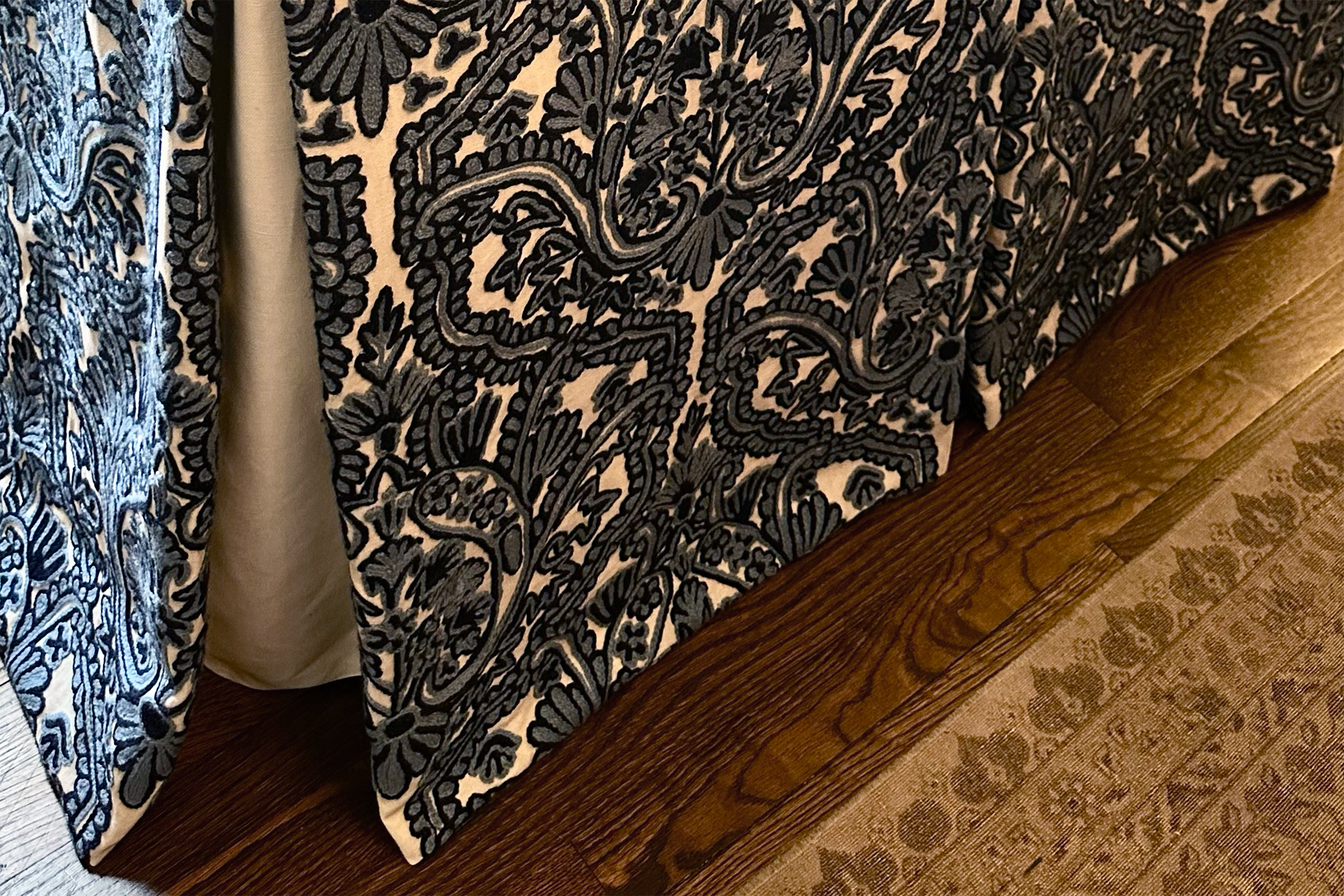
Designer: Peach and the Willow
What Makes Chintz Different
Chintz isn't just any floral print. The defining characteristic is that signature glazed finish - a specialized treatment that gives the material its lustrous, almost polished appearance. This glaze does more than create visual appeal; it provides durability and light reflection that makes colors appear more vibrant and saturated.
The glazing process involves treating cotton with resin and then pressing it under high heat. The result is a surface that catches light beautifully while offering practical benefits. That sheen helps resist dust and minor stains, making chintz surprisingly practical for high-use applications like custom drapery and upholstery.
Traditional chintz features botanical motifs - roses, peonies, trailing vines, garden scenes. But contemporary versions expand the vocabulary to include more stylized florals, exotic birds, and even geometric interpretations of natural forms. The glaze remains the constant, creating that distinctive finish that sets chintz apart from standard printed cotton.
This isn't a trend that appeared overnight. Chintz has deep roots in decorating history, originally imported from India in the 17th century. Its current revival speaks to our renewed appreciation for materials with substance and story - textiles that feel authentic rather than ephemeral.
Why Chintz Works Now
Several cultural shifts are driving chintz's comeback. After years of minimalism and neutral palettes, there's hunger for pattern and personality. People want homes that feel curated, collected, lived-in. Chintz delivers on all these desires while maintaining an elevated aesthetic.
The pandemic changed how we think about our spaces. Homes became our everything - office, restaurant, entertainment venue, sanctuary. This intensified focus on interiors created demand for materials that feel special, that reward close inspection. Chintz, with its intricate patterns and lustrous finish, satisfies that desire for richness and detail.
Social media plays a role too. Instagram and Pinterest favor spaces with visual interest, and chintz photographs beautifully. That glazed surface creates dimension in photos while the botanical motifs add organic warmth that feels current. It's sophisticated enough for luxury markets but approachable enough for broader appeal.
There's also a reaction against fast fashion and disposable design. Chintz represents the opposite - traditional craftsmanship, quality materials, timeless appeal. It's an investment piece that improves with age rather than looking dated after a season.
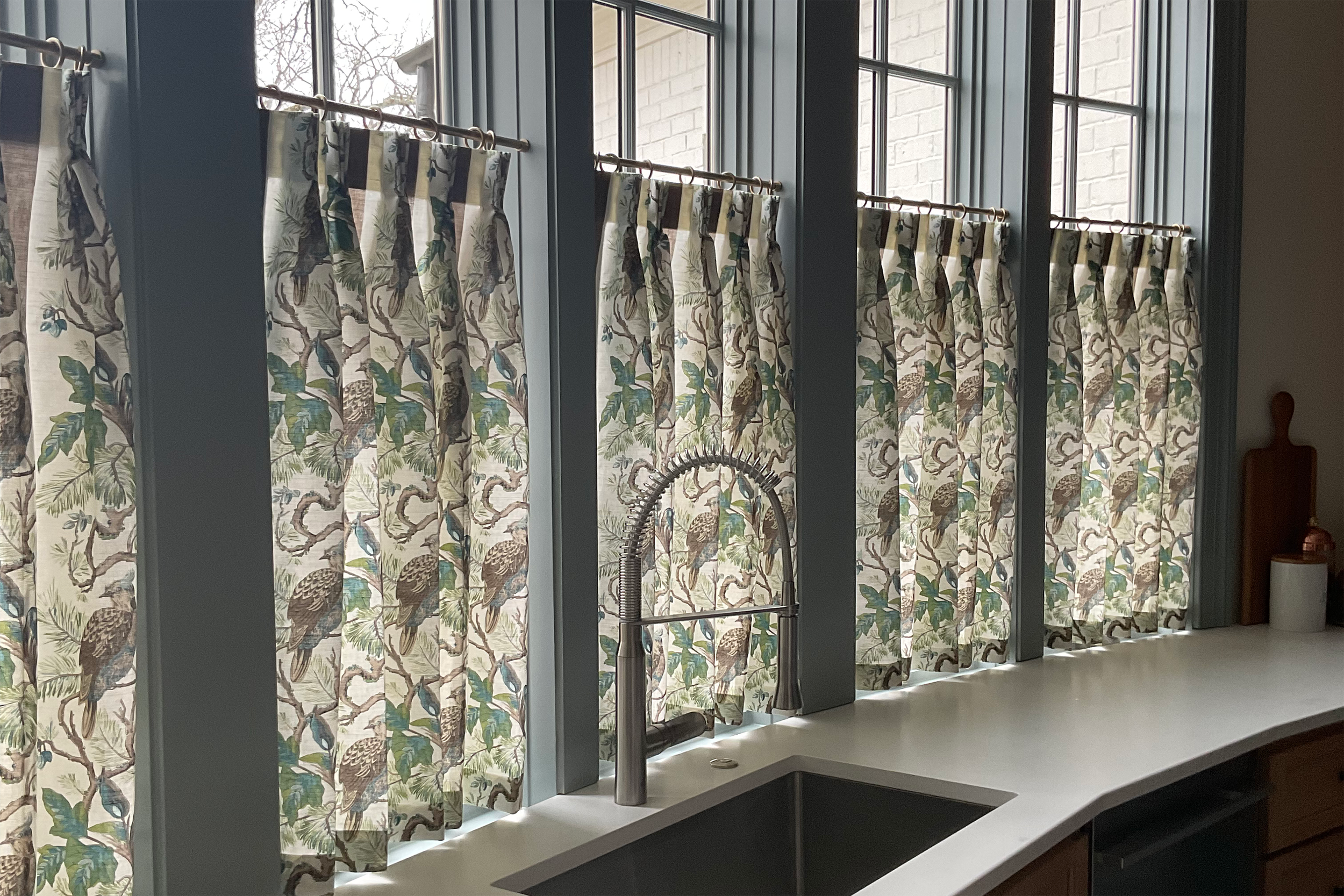
Designer: EH Interiors
Modern Applications for Traditional Chintz
The key to using chintz today lies in thoughtful application. This isn't about creating theme rooms or period recreations. It's about incorporating these beautiful textiles in ways that feel current and intentional.
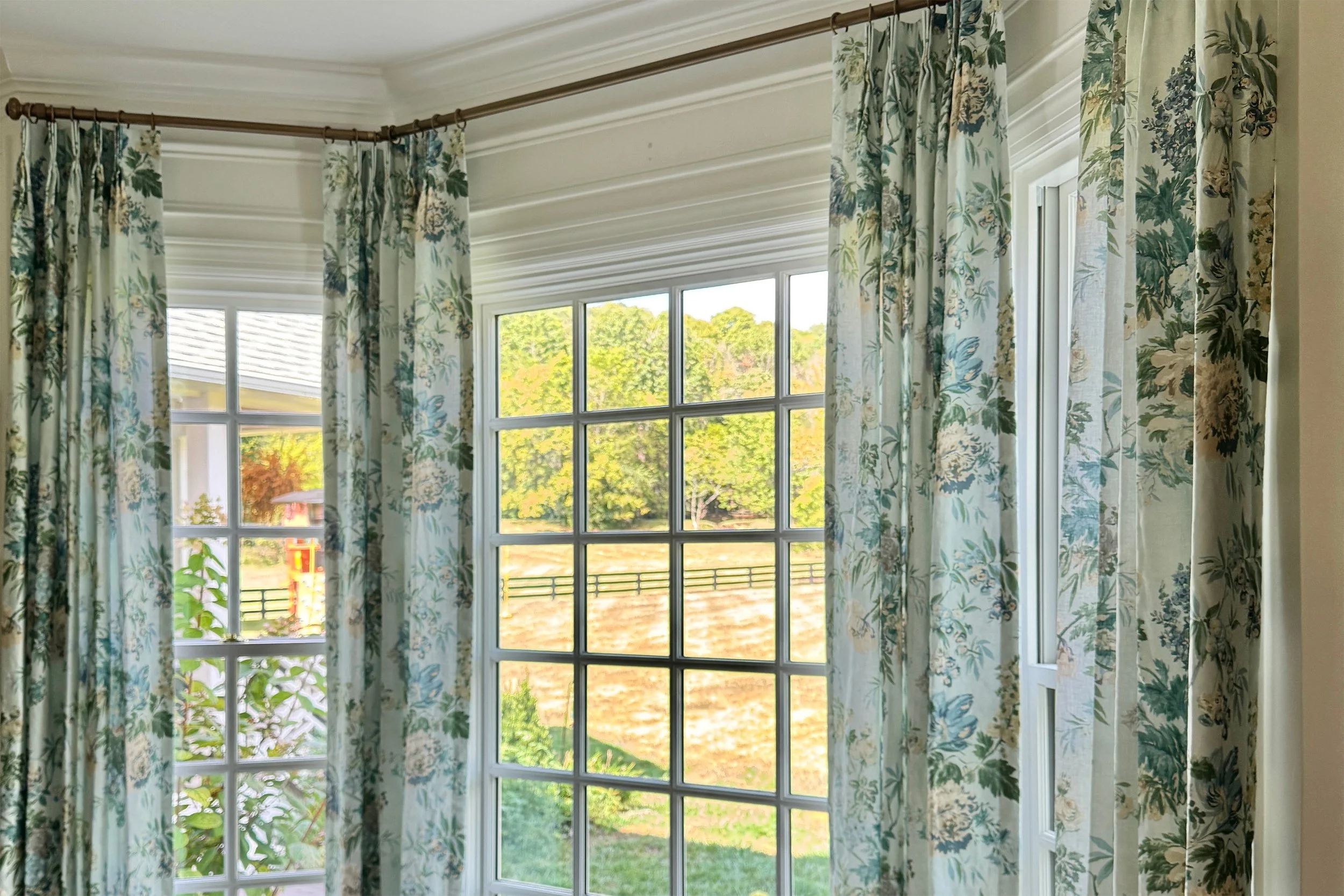
Statement drapery is where chintz truly shines. Floor-to-ceiling custom window treatments in glazed florals create instant drama and sophistication. The scale allows the patterns to read properly while the glaze helps them hold their own against contemporary furnishings. We often recommend chintz drapery as a room's primary pattern, then build around it with solid or subtly textured pieces.
Accent applications work beautifully for those wanting to test the waters. Chintz pillows, lampshades, or small upholstered pieces let you experience the material without full commitment. These smaller doses can introduce the glazed finish and floral motifs while maintaining design flexibility.
Mixed-scale coordination creates sophisticated layering. Large-scale chintz drapery paired with smaller geometric prints or solid textures avoids the overwhelm that comes from too much pattern at the same scale. The chintz becomes the star while other elements provide visual rest.
Unexpected placements make chintz feel fresh. Consider it for powder room walls, dining room chair seats, or bedroom headboards. These applications showcase the material's versatility while avoiding predictable uses that might feel too traditional.
Choosing the Right Chintz for Your Space
Not all chintz is created equal, and understanding the differences helps you make better selections. Scale, color intensity, and pattern density all affect how a piece will work in your specific space.
Large-scale florals work best in spacious rooms with high ceilings. These dramatic patterns need room to breathe and read properly. They're perfect for formal living rooms, master bedrooms, or dining rooms where you want serious visual impact. Small spaces can feel overwhelmed by large-scale chintz.
Medium-scale designs offer the most versatility. They work in both large and modest spaces, provide visual interest without overwhelming, and coordinate easily with other materials. This scale works particularly well for custom window treatments in most residential applications.
Small-scale chintz reads more as textured solid from a distance while revealing its botanical beauty up close. This makes it ideal for upholstery, especially on pieces that will be viewed from various distances. It's also perfect for spaces where you want chintz's sophistication without bold visual impact.
Color considerations matter enormously. Deep, saturated backgrounds - navy, forest green, rich burgundy - feel more contemporary than traditional cream or white grounds. These darker bases also hide dust and wear better, making them practical choices for high-use applications.
Contemporary interpretations expand your options beyond traditional botanical motifs. Look for chintz with stylized florals, unexpected color combinations, or modern proportions. These pieces give you the glazed finish and sophisticated appeal while feeling current rather than period.
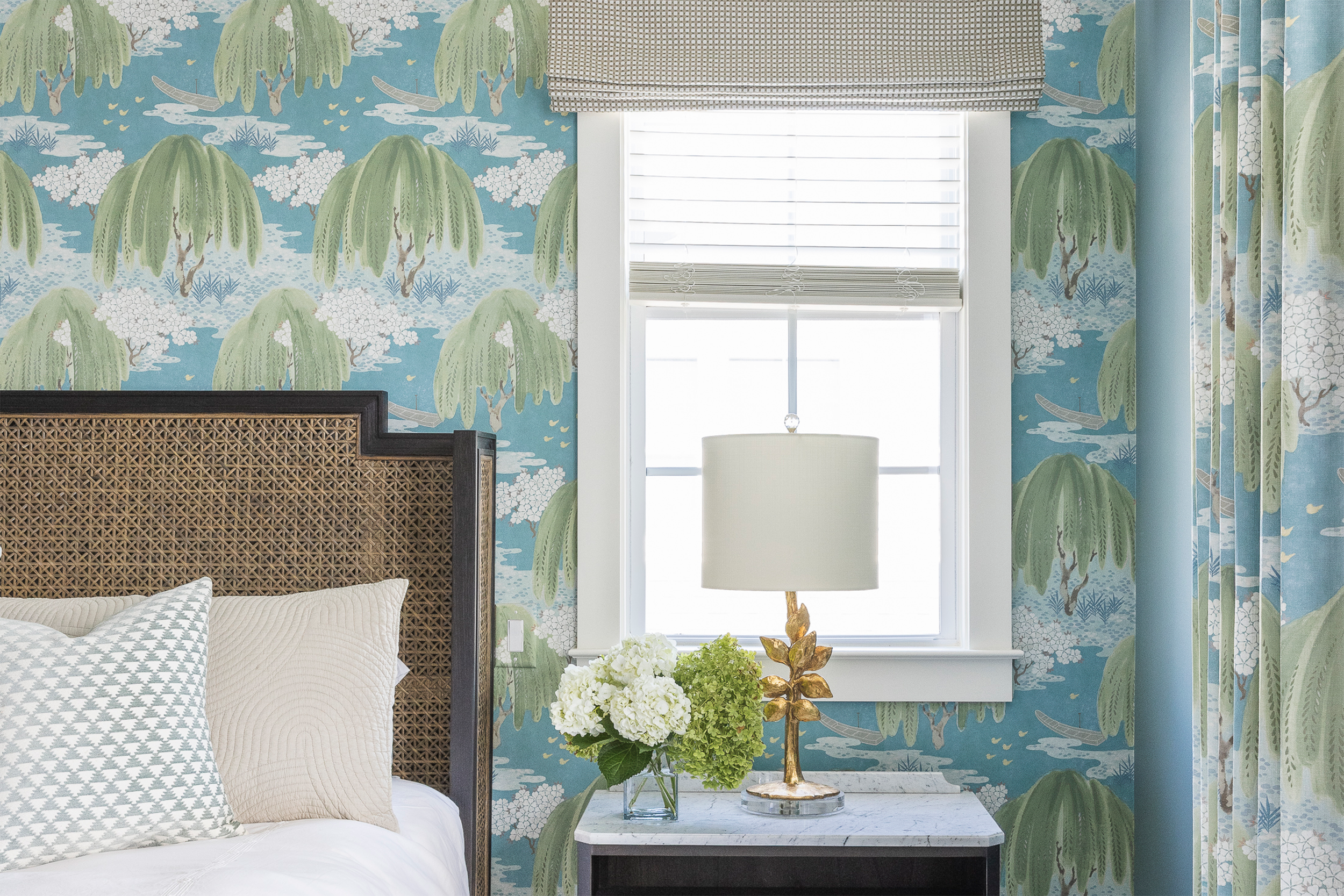
Photographer: Girls at Flourish Designer: Paige Williams
Coordinating with Other Elements
Chintz plays well with others when you understand basic coordination principles. The glazed surface and botanical motifs create specific opportunities and challenges when building a room's design story.
Geometric companions provide excellent balance to chintz's organic curves. Stripes, plaids, and simple geometrics in coordinating colors create sophisticated contrast. The geometric pieces give the eye places to rest while the chintz provides visual excitement.
Scale variation remains crucial. If your chintz features large roses, pair it with small-scale geometrics or solid textures. Medium chintz works with both larger and smaller companion elements. This prevents visual competition and creates pleasing rhythm.
Texture mixing adds depth without additional complexity. Smooth chintz against nubby linen, glossy glaze with matte velvet, printed cotton with natural wovens—these combinations create sophisticated layering that feels current rather than overwhelming.
Color threading ties everything together. Pull one or two colors from your chintz and repeat them in solid or subtly textured companions. This creates cohesion even when mixing very different styles.
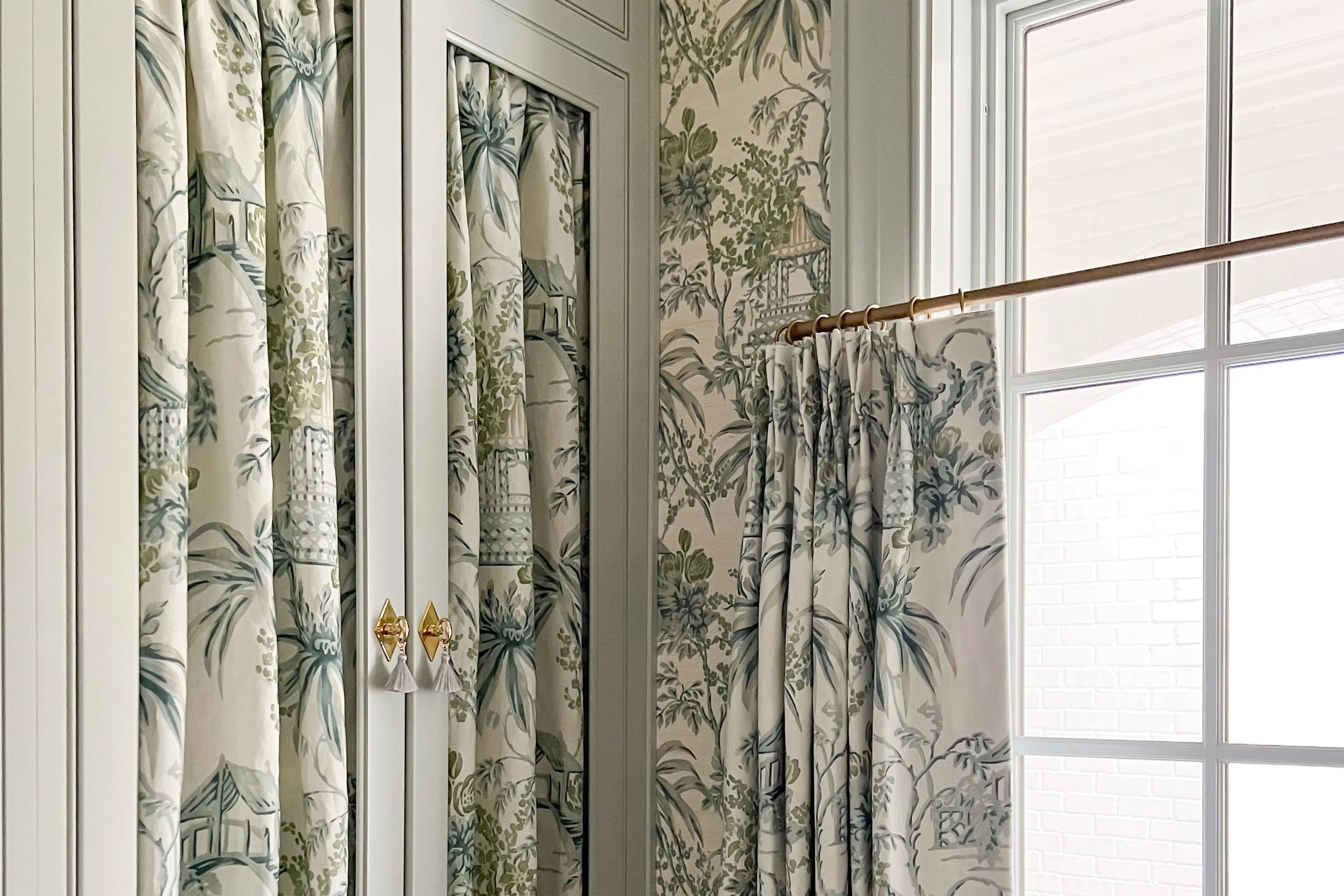
Photographer: Kristen Mayfield Designer: EH interiors
Room-by-Room Considerations
Living rooms offer the most flexibility for chintz because they typically have the space to handle bold patterns. Consider chintz drapery as your primary pattern, then layer in solid upholstery and textured accessories. The key is letting the chintz be the star while other elements provide support.
Bedrooms benefit from chintz's romantic associations, but scale matters here. Large florals might feel overwhelming in intimate spaces. Medium or small-scale chintz works beautifully for custom drapery, creating a luxurious backdrop for sleep. Keep other patterns minimal to maintain serenity.
Dining rooms are perfect for dramatic chintz applications. Since you're not spending extended periods here, you can push pattern boundaries. Bold chintz wallpaper with coordinating drapery creates an enveloping, sophisticated atmosphere that makes meals feel special.
Powder rooms showcase chintz's jewel-box potential. Small spaces can handle large patterns because you're only there briefly. Chintz wallpaper or roman shades create memorable experiences that guests talk about.
Home offices benefit from chintz's ability to create inspiring environments. Custom drapery in sophisticated florals makes work-from-home feel less mundane. Choose patterns with enough visual interest to be energizing but not so busy they become distracting.
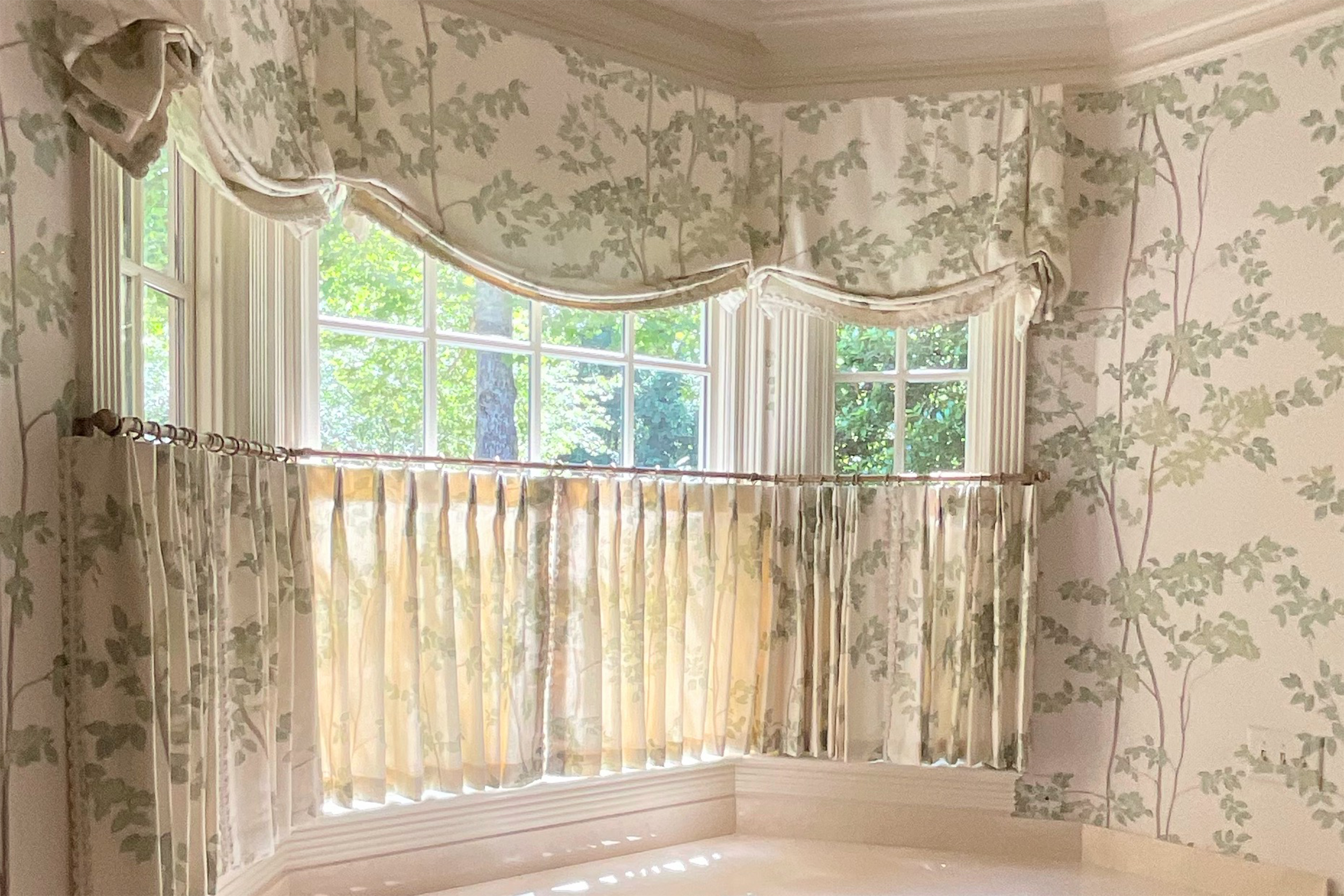
Designer: Debbie Mathews Design
The Practical Side of Chintz
Beyond its aesthetic appeal, chintz offers practical advantages that make it suitable for real-world use. The glazed finish provides benefits that standard cotton prints can't match.
Durability comes from the glazing process, which strengthens the cotton fibers and helps resist wear. Quality chintz ages gracefully, developing character rather than just showing wear. This makes it an excellent investment for high-use applications like custom window treatments.
Light reflection from the glazed surface brightens rooms naturally. Colors appear more vibrant, and the lustrous finish adds richness that enhances both natural and artificial lighting. This quality makes chintz particularly effective in rooms that need visual warming.
Easy maintenance results from the smooth glazed surface that resists dust and minor stains. Professional cleaning is recommended for best results, but chintz generally requires less frequent attention than unglazed cotton prints.
UV resistance varies by manufacturer, but many quality chintz options include protective treatments that help colors remain vibrant even in sunny locations. This makes chintz suitable for south-facing windows in Nashville's bright climate.
Making Chintz Feel Current
The difference between chintz that feels fresh and chintz that feels dated often comes down to styling and context. Modern applications avoid period furniture groupings and overly coordinated looks.
Mix time periods to prevent theme-room effects. Pair chintz drapery with contemporary furniture, or use traditional chintz patterns in unexpected applications. This juxtaposition keeps the look current while celebrating the textile's heritage.
Vary your textures to add a contemporary edge. Smooth chintz against rough linen, glossy glaze with matte metals, traditional florals with modern geometrics. These contrasts create visual tension that feels current.
Consider proportion in both pattern scale and application amount. Large-scale chintz used sparingly feels more current than small chintz covering every surface. Let the material make a statement rather than dominating the entire space.
Update color stories by choosing chintz in contemporary palettes. Deep jewel tones, unexpected color combinations, or modern interpretations of botanical motifs help bridge traditional patterns with current sensibilities.
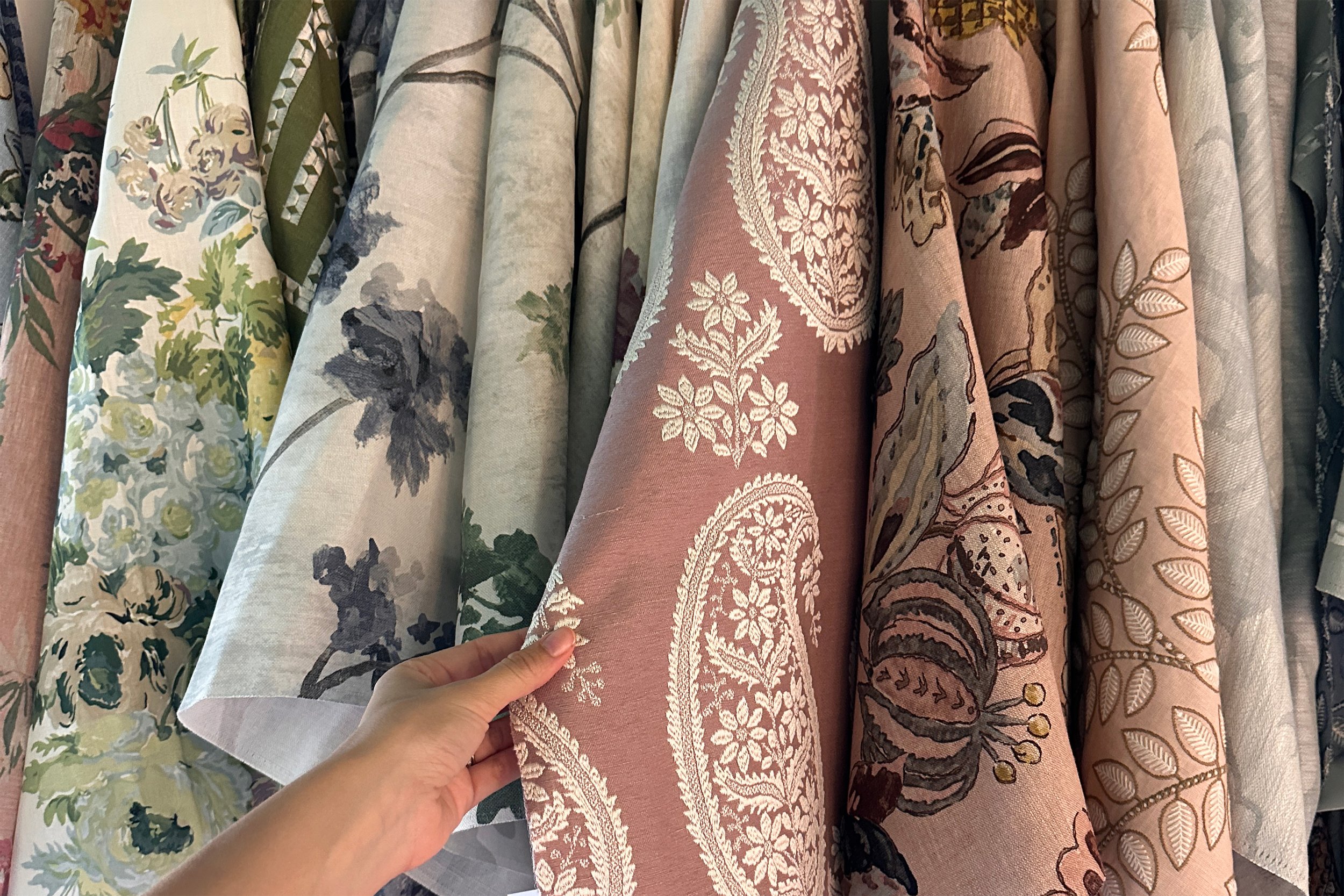
Your Chintz Journey
Chintz offers a unique opportunity to bring pattern, history, and sophistication into contemporary spaces. Whether you're drawn to its traditional botanical beauty or intrigued by modern interpretations, this glazed cotton has the substance to anchor beautiful rooms for years to come.
The current revival isn't just about trend-following - it's about recognizing quality materials that reward closer inspection. In our digital age, there's something satisfying about textiles you can actually touch, patterns that reveal new details over time, surfaces that catch light differently throughout the day.
Ready to explore chintz for your next project? Visit our Franklin showroom to experience these lustrous florals in person and see how traditional patterns can work in contemporary settings. Schedule your design consultation at bravemaggiedesigns.com and let's discover how chintz drapery can bring sophistication and personality to your space!
